Columbia vs Huk Fishing Shirts: Compare the Shape Before the Logo
Compare Columbia and Huk fishing shirts across crews, hoodies and button-fronts, with clear guidance on fit, version differences and useful features.
Quick Answer
Columbia and Huk both offer several kinds of fishing shirts, so neither brand wins every comparison. Start by matching the shape: crew against crew, hoodie against hoodie, or button-front against button-front. Columbia's PFG label is a collection identity, not a single fabric specification. Huk model names also span different versions. Choose the exact design that suits your storage, headwear and movement, then verify the selected item's fit and stated rating.
As an Amazon Associate I earn from qualifying purchases. These links take you to Amazon, where purchases take place.
Three relevant shirts to compare
Examples for this guide. Check the exact garment and variation on Amazon.
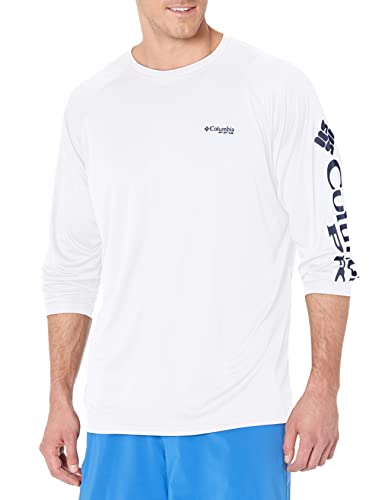

Men's Pursuit Vented Long Sleeve
Long sleeve · Listed UPF 30
Details & considerationsView on Amazon ↗
In this field note
- What PFG and Huk tell you—and what they do not
- Match crew shirts when you want a simple fishing layer
- Compare button-fronts for the way you carry small items
- For hoodies, put your headwear into the comparison
- Version differences can outweigh the brand difference
- Check fit without assigning a brand-wide size rule
- Keep women's and youth comparisons within their own ranges
- Choose the shirt you can maintain in your routine
- Resolve the comparison with one written reason
The least useful version of this comparison puts every Columbia shirt on one side and every Huk shirt on the other. Both names appear on crews, hoodies and collared designs. Someone comparing a roomy Columbia button-front with a Huk crew may be reacting mainly to different shapes. That experience cannot tell another angler which brand makes the right hoodie or short-sleeve shirt.
Instead, make a matched comparison based on what the shirt needs to do. If you want a smooth front beneath other equipment, compare crews. If you want a hood available, compare hoodies. If you depend on pockets or prefer a collar, compare button-fronts. This guide helps organize those choices; our buying guide hub provides the related design and model comparisons.
What PFG and Huk tell you—and what they do not
PFG appears across Columbia's fishing range, including the Tamiami, Bahama and Terminal Tackle names in the listings considered here. It does not make them one interchangeable shirt. A Terminal Tackle crew and a Tamiami button-front deserve separate decisions about the neckline, storage and way the fabric sits beneath equipment. Start with the complete product name, not just the PFG letters.
The same rule applies to Huk. Pursuit, Icon, A1A and Tide Point identify useful places to start, but their listing titles also contain sleeve lengths, formats and version clues. Those extra words matter. A Pursuit Vented listing that states a particular UPF should retain that information even if a newer Pursuit page describes a different rating. A brand comparison should preserve those distinctions.
Match crew shirts when you want a simple fishing layer
The Columbia Terminal Tackle long-sleeve listing and Huk Pursuit Vented long-sleeve listing provide a more sensible starting pair than unrelated silhouettes. Both titles identify long sleeves. The selected Huk listing also explicitly says +30 UPF. The Terminal Tackle title supplied here does not state a number, so this comparison does not award it an assumed rating.
For these candidates, examine the neck opening, sleeve shape and body length first. Decide whether you want a closer or looser feel beneath the gear you wear. A plain crew can look uncomplicated but still differ in how the armhole behaves when both hands reach forward. That is a reason to read the exact size guidance and inspect the selected garment, rather than choosing from logo size or color alone.
Look for clear construction details in the specific listing. If one shirt names ventilation, find where the relevant panels sit. If the other does not mention the same feature, do not automatically declare it absent. Photographs may show more, or you may need clarification. Compare verified details as details, and unanswered questions as questions. This is more accurate than assigning a feature score from incomplete product copy.
Compare button-fronts for the way you carry small items
For collared shirts, the current Columbia Tamiami II page documents chest pockets and a back vent. Huk's Tide Point listings offer a button-front alternative worth investigating. The practical question is whether the exact layout matches your routine. Count only pockets you can reach and would actually use, particularly if another layer or equipment crosses your chest.
The Huk Tide Point long-sleeve listing is relevant if you want the collar and front-opening format. Do not assume it shares the construction or rating of a similarly named short-sleeve variation. Choose a sleeve format before comparing the rest of the shirt. That keeps the additional fabric and cuff details from being confused with a general difference between Columbia and Huk.
Consider the front opening as a usable feature. If you like adjusting the neckline or wearing the shirt over another light layer, buttons may suit your preferences. If you dislike closures beneath straps or want a smooth front, return to the crew comparison. You do not need to choose a brand first and then accept whatever shirt shape best represents it.
You can inspect the exact Tide Point long-sleeve option on Amazon for its selected version and photographs. Compare that information with the Columbia candidate you actually intend to buy. A collared-shirt decision should be based on its layout, fit and role in your outfit, rather than an impression that one brand is inherently more technical.
For hoodies, put your headwear into the comparison
Columbia's Terminal Tackle hoodie and Huk's Pursuit or Icon hoodies are relevant starting points when an attached hood is the feature you want. A hood should be evaluated with the cap, sunglasses or other headwear you prefer. Look down, turn your head and check how the opening sits. Then lower the hood and consider the extra material behind your neck.
Neither a brand name nor a front photograph establishes that one hood fits your headwear better. If you already own a comfortable model, its exact identity can make a repeat purchase easier; a different edition may still merit another check. If you are new to hooded shirts, our hooded versus crew-neck guide helps determine whether the format itself suits you.
Version differences can outweigh the brand difference
Huk's current Pursuit Performance Crew example states UPF 50+. That page is not the same item as the +30 UPF Pursuit Vented marketplace listing above. Both pieces of information can be accurate for their respective products. Moving the newer number onto the older listing would make the comparison look cleaner while making it less trustworthy.
Columbia listings also require attention to full model identity. The Tamiami II long-sleeve marketplace title includes “Discontinued,” while the manufacturer maintains a current Tamiami II page. That combination does not tell you the inventory situation or prove exact equivalence. Check style, edition and selected variation where supplied. Our Icon versus Pursuit guide examines the Huk naming issue in greater detail.
| Fair comparison | What to match | What still needs checking |
|---|---|---|
| Terminal Tackle crew and Pursuit Vented crew | Long-sleeve, non-hooded format | Exact rating, fit and panel details |
| Tamiami II and Tide Point | Button-front and sleeve length | Pocket layout, fabric and selected edition |
| Terminal Tackle hoodie and a Huk hoodie | Attached hood and long sleeves | Hood opening, neck comfort and cap interaction |
Check fit without assigning a brand-wide size rule
Statements such as “Columbia runs large” can hide important differences among its shirts. The current Tamiami page itself pairs a Regular Fit label with loose-fit language. That is useful information about a specific model, not permission to change sizes across the whole brand. Huk also provides model-specific descriptions. Read the relevant chart and first determine whether its numbers describe the body or the garment.
A shirt you want to wear over another layer needs a different fitting context from one intended next to the skin. Add the usual layer before deciding whether the chest has enough ease. Also check the sleeves independently: a satisfactory body width does not guarantee comfortable length when reaching. Avoid treating the same letter size in the two brands as a complete matched comparison.
Keep women's and youth comparisons within their own ranges
The men's examples above show how to organize a comparison, but they do not establish the fit of women's or youth shirts. A shared model name is not evidence that a smaller size reproduces another cut. If shopping in those ranges, select one Columbia and one Huk option intended for the wearer, then repeat the comparison using the relevant charts and measurements.
For a child, include the sleeve opening and neckline in the practical check rather than focusing only on room to grow. For an adult who prefers a different body shape, consider whether the garment accommodates that shape while seated and reaching. Brand loyalty can narrow the search, but it should not override a more appropriate cut from the other range.
Choose the shirt you can maintain in your routine
Care can be a useful tiebreaker once the format and fit work. Read the selected garment's label and consider your normal wash-and-dry routine. Do not give every synthetic fishing shirt the same instructions or borrow rules from a waterproof jacket. Columbia's general care page covers different categories, so use the portions relevant to the actual garment.
If frequent fishing means shirts are washed often, clear and manageable instructions have practical value. That does not establish a durability winner between brands. You would need suitable comparative evidence to make that claim. What you can decide is whether the item asks for handling you are prepared to provide, and whether you need another shirt in rotation to accommodate drying time.
Resolve the comparison with one written reason
After narrowing the choice to two comparable shirts, complete this sentence: “I prefer this one because its specific feature or fit works better with my routine.” The answer might concern pockets, headwear or a size you know well. If the answer is simply that you like the appearance, recognize that preference honestly. Styling is part of a clothing choice; it does not need to be disguised as a performance claim.
For a crew-focused comparison, revisit the Pursuit Vented +30 UPF listing on Amazon alongside the Terminal Tackle information. For button-front choices, browse the button-front collection and keep sleeve length consistent. Neither Columbia nor Huk needs to win every category for you to find a well-matched shirt from one of them.
Keep the comparison small enough that you can explain it. One Columbia option and one Huk option in the same shape are usually more useful than an unfiltered collection of every available model name. When an important detail is unclear, resolve that detail before expanding the shortlist. More candidates do not compensate for missing information about the two you are already considering.
Frequently asked questions
Is Columbia PFG the same kind of shirt as Huk Pursuit?
PFG appears across a range of Columbia fishing garments, while Pursuit identifies a Huk family with several versions. Compare complete names and matching shapes instead of treating the labels as equivalent specifications.
Does the newer Huk Pursuit UPF rating apply to older listings?
No. The selected Pursuit Vented listing states +30 UPF, while a different current manufacturer Pursuit example states 50+. Keep each rating attached to its own product.
Which brand should I choose for a button-front shirt?
Compare the exact pocket layout, sleeve format and fit of the Columbia and Huk candidates. Tamiami II and Tide Point are useful starting names, but the selected versions and your storage needs should decide.
Final Verdict
Choose between Columbia and Huk after choosing the shirt's shape. A crew comparison should focus on movement and the exact stated features; a button-front comparison should consider storage and closures; a hoodie comparison should include your headwear. The Pursuit Vented +30 listing must not inherit a newer Pursuit rating, and a PFG label does not supply a universal Columbia specification. A clear preference for a particular fit or layout is enough to make a good decision. You do not need a brand-wide winner, and the available research does not establish one.
Explore the matching collections
Take the next step
Compare your shortlist or explore more buying & comparisons.
Revisit the first shirt on Amazon ↗Related field notes
Huk Fishing Shirt Sizing: Does Your Model Run Small?
Check Huk fishing shirt sizing by model, body measurements, sleeve reach, and hood fit. Learn when a different cut makes more sense than sizing up.
Read the field note →What to Wear Deep Sea Fishing in Florida
Pack for deep-sea fishing in Florida with a location- and season-aware outfit plan covering sun shirts, weather layers, deck footwear, and dry spares.
Read the field note →Huk Icon vs Pursuit: Compare the Version Before the Name
Compare HUK Icon and Pursuit by exact edition, sleeve format, ventilation evidence, fit, and UPF claims without mixing older and current specifications.
Read the field note →Huk vs AFTCO Fishing Shirts: Match the Model to the Job
Compare Huk and AFTCO fishing shirts by format, fit, storage and version, with practical guidance for crews, hoodies and button-front designs.
Read the field note →