Pelagic
Men's Vaportek Long Sleeve
Long sleeve · Listed UPF 50+
Details & considerationsView on Amazon ↗Pack for deep-sea fishing in Florida with a location- and season-aware outfit plan covering sun shirts, weather layers, deck footwear, and dry spares.
For deep-sea fishing in Florida, start with a comfortable long-sleeve sun shirt, suitable bottoms, and secure footwear approved by the charter operator. Pack a rain layer and a dry change, then add warmth according to the local marine forecast and departure time. Florida’s name alone does not tell you how the offshore ride will feel. Match your outfit to the specific port, boat, season, and expected exposure.
As an Amazon Associate I earn from qualifying purchases. These links take you to Amazon, where purchases take place.
Examples for this guide. Check the exact garment and variation on Amazon.
Long sleeve · Listed UPF 50+
Details & considerationsView on Amazon ↗Long sleeve · Listed UPF 50+
Details & considerationsView on Amazon ↗Your Florida vacation suitcase and your offshore fishing bag should not be packed by the same rule. Clothes chosen for a hotel pool or a waterfront lunch may not suit a long boat ride, an exposed fishing rail, or a wet return. Start with the port and itinerary, then assemble a small clothing kit that works for that particular day.
Write down the departure port, check-in time, expected return, boat type, and available shelter. Ask the charter operator how much time guests usually spend in the open and whether clothing can be stored dry. If the booking simply says deep-sea fishing, request the details that affect your outfit. The phrase can cover very different vessel layouts and trip durations.
Next, check the marine forecast for the relevant waters close to departure, rather than relying only on a city weather icon. Ask the operator about the expected clothing needs for that day's route. A general Florida packing article cannot replace those local details. The National Weather Service's marine guidance emphasizes changing conditions and planning before departure; use weather information to guide the trip as well as the bag.
| Trip detail | What it changes in your clothing plan |
|---|---|
| Port and planned waters | Which local marine forecast and operator advice to use |
| Early departure or late return | Whether a layer is useful beyond the warmest part of the day |
| Open seating versus cabin access | How exposed the transit clothing may be |
| Expected spray and rain | Outer weather protection and the importance of a dry change |
| Storage limits | Bag size and where spare clothing can remain dry |
| Deck footwear rules | Which shoes you should bring rather than assume are acceptable |
This small worksheet is useful even for repeat visitors. A different boat or a longer trip can change the packing decision without changing the destination. Keep the operator's instructions with the booking information so you can check them the evening before rather than trying to remember a casual phone conversation at dawn.
Prioritize a shirt you can move in comfortably and a manageable plan for sun coverage. Avoid wearing several redundant tops because they all look like fishing clothes. Pack a weather layer separately so the primary outfit stays simple. Think about how you will store a damp shirt if you change, and do not expect clothing to dry rapidly simply because the air feels warm.
The NWS Tampa Bay thunderstorm climatology reference describes the rainy season as warm and humid with frequent showers and thunderstorms, and notes that its onset varies. That regional context is a reason to check the actual forecast, not a schedule saying rain will always arrive at a convenient hour. A morning departure does not justify leaving weather preparation behind.
Keep an appropriate insulating layer available when the forecast and operator recommend it. Judge the ride offshore separately from the temperature you expect while standing in the sun later. A thin fishing hoodie is still a thin shirt unless the garment is specifically designed and described as insulation. Do not assume a hooded shape makes it equivalent to a warm sweatshirt.
Try the warm layer beneath the rain or wind layer you intend to bring. If the combination crowds your elbows or cannot close comfortably, revise it before packing. Choose pieces that can be added or removed without unpacking everything. The goal is a flexible outfit for the anticipated conditions, not a fixed winter costume used everywhere in the state.
Keep in contact with the operator and understand the trip-update process. Clothing cannot make every forecast manageable, and rainwear does not address all hazards associated with thunderstorms. Follow the captain's decisions about departure and weather response. Pack what is appropriate for the trip that is actually going ahead, rather than treating a larger clothing bag as a substitute for updated information.
A long-sleeve shirt gives you a useful base for exposed deck time. Check that the sleeves remain long enough when you reach forward and that the hem stays comfortable when you sit. Look for an exact UPF claim if rated fabric is part of your plan. Avoid buying from a generic phrase such as sun protection alone when you need a specific rating to compare garments.
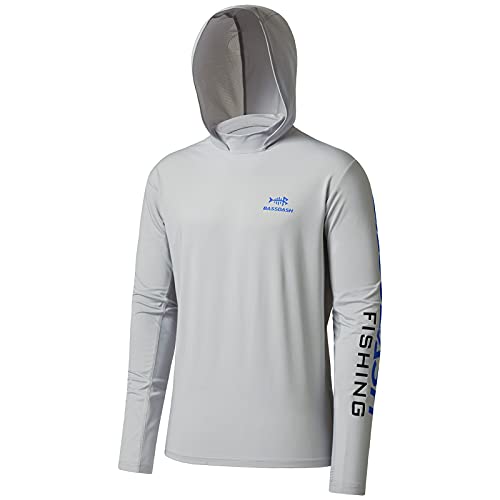
The Pelagic Vaportek long sleeve is listed with UPF 50+, ventilation, and lightweight wording. The BASSDASH performance fishing hoodie offers another form with a listed UPF 50+ claim. Those descriptions support comparing the listed features; they do not prove one shirt will feel cooler on every Florida boat.
A hood can cover part of the head and neck while it remains in position. Try it with your hat and sunglasses, turning fully to each side. A crew neck can be easier under a weather layer, but leaves more head and neck coverage to other items. Select the version that you can comfortably keep arranged through the day. Browse UPF-rated shirt options after deciding which form fits your outfit.
For a crew-style candidate, review the Vaportek long-sleeve listing on Amazon. Confirm the selected item rather than extending the listed claims to every Vaportek edition. A shirt's water-repellent wording does not make it a rain jacket, so keep the outer weather layer as a separate packing decision.
Check the hat, hood, collar, and eyewear as a group. The brim should not force the hood backward, and the collar should not make head turns awkward. Secure accessories in a manner appropriate to the boat and equipment. Keep loose attachments from creating a distraction around the neck or hands while you handle a rod.
The Skin Cancer Foundation's guidance treats actual coverage as part of clothing protection. Check exposed neck, hand, and leg areas, including gaps that appear when sitting or rolling sleeves. Plan suitable additional sun protection for those areas. A rated shirt remains one part of the outfit rather than a promise of complete protection throughout the trip.
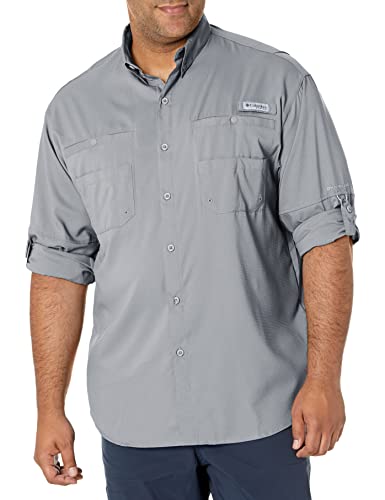
If you prefer a button-front, check how the front opening, collar, and sleeves will be worn in practice. The listed Tamiami II long sleeve is a woven example with discontinued wording in its marketplace title. Do not transfer every current-model specification to that selected item. Its practical role here is an alternative shirt format for someone who prefers a collar and button front.
Pick bottoms that let you sit, bend, and step without a restrictive waistband. Lightweight trousers provide more leg coverage; shorts can be suitable when conditions and your coverage plan support them. Try either with the shirt tucked and untucked to see where fabric gathers. Keep hard objects out of pockets that will press against a seat or the rail.
Ask the operator about footwear before assuming vacation sandals are suitable. Secure shoes with deck-appropriate soles and comfortable wet-use behavior deserve consideration. Follow any boat-specific restrictions, including requirements related to soles or toe coverage. This is a compatibility decision, not a universal rule that every Florida charter accepts the same footwear.
If your itinerary includes walking directly from a hotel or parking area to the dock, make sure the same shoes work for that access. Pack any change of footwear only if it has a clear purpose and storage space is available. A small boat bag can become cumbersome when it contains several casual outfit alternatives but no protected dry shirt.
Set out the fishing shirt, suitable bottoms, footwear, and headwear the evening before. Add the layer needed for departure conditions, keeping it easy to stow later. Put on the complete arrangement at least once before the trip if several items are new. Check the fit with the life jacket you will wear, following its instructions, and confirm that clothing does not interfere with closures or movement.
Pack the appropriate weather layer and any needed insulation where they can be reached without emptying the bag. Avoid taking three similar sun shirts as your only response to a cool or wet forecast. Each carried item should answer a distinct question: what will I add for rain, for a cooler ride, or if the main top becomes wet?
Bring a dry change appropriate to the expected wet exposure and the operator's storage advice. Keep it apart from towels, drinks, and fishing residue. Include a separate place for used clothing during the trip back to the hotel. If you are going straight to the airport or driving a long distance, this change is especially worth planning rather than hoping the original outfit dries in time.
Check where clothing can dry after the outing and whether laundry facilities are available if you have another trip booked. Do not pack a damp shirt deep in the suitcase between fishing days. Rinse and care for it according to its label, and give it time and space to dry. The saltwater-shirt care guide provides the post-trip sequence.
For a second shirt with an integrated hood, inspect the BASSDASH performance hoodie listing on Amazon. Choose it if it solves a coverage or rotation need, not because a Florida trip automatically requires several new garments. Check size and care details early enough to try it with the rest of the outfit before departure.
The general deep-sea outfit guide covers the full layered system, and the on-the-water hub links other settings. For Florida, the useful adjustment is local specificity: the correct port forecast, the actual boat layout, the departure and return times, and the season's questions checked against the day itself. That information makes a compact bag more useful than a suitcase packed around the word sunshine.
Use the local marine forecast, departure time, boat exposure, and operator advice to decide. Do not assume the state’s warm-weather reputation describes the whole trip.
Do not use departure time alone to decide. Check the forecast and operator’s guidance; regional rain patterns are not a guarantee for a specific morning.
Keep an appropriate dry change in protected storage and a separate place for the used clothing. Plan drying or laundry before another fishing day.
For a Florida deep-sea trip, local details should drive the outfit. Match the shirt and basic coverage to the time on deck, then add weather layers for the actual forecast, vessel exposure, and travel hours. Confirm footwear and storage expectations with the operator. Pack a protected dry change and keep each spare layer tied to a real purpose. Warm-season and cool-season habits are useful prompts, but neither replaces checking the specific day. A compact kit that works from hotel departure through the return will serve you better than treating every Florida fishing trip as the same sunny afternoon.
Compare your shortlist or explore more on the water.
Revisit the first shirt on Amazon ↗Choose a fishing shirt for hot days by comparing airflow, coverage, fit and wet-fabric comfort, with practical checks for humid weather and layered gear.
Read the field note →Choose a shore fishing shirt for the walk in, exposed banks, wind, and changing conditions, with a practical spare-shirt and packing plan for the day.
Read the field note →Plan a deep-sea fishing outfit around the run offshore, time on deck, sun coverage, rain layers, secure footwear, and a dry change for the ride home.
Read the field note →Plan kayak-fishing clothing around water exposure, seated movement, life-jacket contact, sleeve reach, and dry storage, with practical shirt-fit checks.
Read the field note →