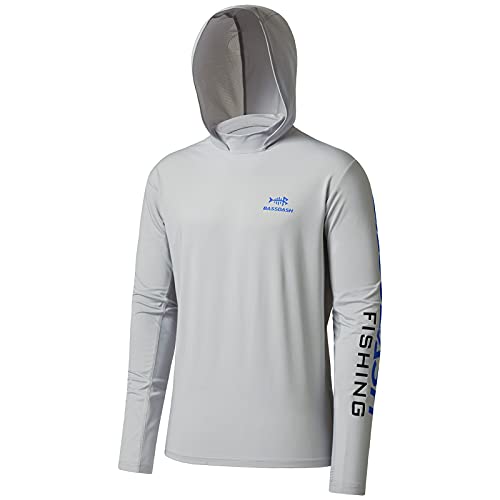
BASSDASH
Men's Performance Fishing Hoodie
Long sleeve · Listed UPF 50+
Details & considerationsView on Amazon ↗Plan kayak-fishing clothing around water exposure, seated movement, life-jacket contact, sleeve reach, and dry storage, with practical shirt-fit checks.
Dress for the water conditions and possible immersion, then choose a fishing shirt that works beneath your properly fitted life jacket. Test the outfit seated, with paddling or pedaling movements and full torso rotation. In suitable warm-water conditions, a comfortable sun shirt can be part of the outfit; cold-water use may require purpose-designed immersion clothing. Keep cuffs, pockets, and hems from bunching, and store a dry change where it remains dry.
As an Amazon Associate I earn from qualifying purchases. These links take you to Amazon, where purchases take place.
Examples for this guide. Check the exact garment and variation on Amazon.
Long sleeve · Listed UPF 50+
Details & considerationsView on Amazon ↗Long sleeve · Listed UPF 50+
Details & considerationsView on Amazon ↗Long sleeve · Listed UPF 50+
Details & considerationsView on Amazon ↗Try the outfit in a seat before you decide it belongs in a kayak. Standing in front of a mirror will not show the shirt bunching behind a life jacket, a trouser seam pressing under your thigh, or a cuff pulling when you reach forward with a paddle. Kayak fishing makes those small fit details unusually noticeable because you spend much of the session in one compact position.
Air temperature alone is not enough to choose paddling clothing. Consider water temperature, expected splashing, the route, and the possibility of entering the water. NRS's cold-water boating guidance emphasizes dressing for possible immersion and distinguishes splash clothing from equipment intended for more complete water exposure. Get location- and activity-specific advice if you are unsure which system is appropriate.
A fishing shirt is a clothing layer, not an immersion suit or a flotation device. In suitable warm-water conditions it may serve as the main top; in cold-water conditions it may be only one component beneath purpose-designed equipment, if compatible with that equipment's instructions. Do not infer cold-water suitability from a UPF number, the word performance, or how comfortable the shirt feels on shore.
Wear an appropriate life jacket and fit it according to its manufacturer instructions. Plan the clothing around that equipment, including any required paddling outerwear. If the combination binds at the shoulders or blocks access to essential closures, revise the clothing setup. Loosening the life jacket beyond its proper fit is not a useful way to make an unsuitable shirt feel roomier.
Sit in your kayak on a stable safe setup on land, or approximate the position in a suitable chair. Wear the full clothing and life jacket combination. Settle back as you normally would, then lean forward and rotate. Check whether the hem stays across your lower back and whether the collar is pushed upward by the rear panel of the life jacket.
Reach forward with both arms as though beginning a paddle stroke. Then move one arm back while rotating through the torso. Notice pulling under the armpit, across the shoulder blade, and along the sleeve. A shirt that restricts this motion before the trip is unlikely to become less distracting after many repetitions. Try a different cut or layer arrangement before assuming that a larger size alone will solve it.
For a pedal kayak, reproduce the knee movement as well. A long shirt hem may gather in the lap, while a tight lower hem may pull across the hips. Check waistband and thigh-pocket pressure in the actual seated position. The top and bottoms need to work together: a hem tucked into a stiff waistband can create a ridge that neither garment has on its own.
| Contact point | What to check | Potential outfit adjustment |
|---|---|---|
| Shoulders | Raised seams or fabric folded beneath straps | Try a smoother top or rearrange the layer |
| Upper back | Hood or collar trapped behind the life jacket | Change hood placement or choose a crew |
| Chest | Hard pocket contents under the front panel | Move objects to appropriate accessible storage |
| Waist and seat | Gathered hem or bulky waistband | Choose a smoother fit and reset the hem |
| Wrists | Cuffs pulling or crowding other equipment | Recheck sleeve length and closure compatibility |
A long-sleeve crew is a straightforward option when you want a simple neckline beneath the life jacket and outerwear. A hoody can add coverage around the head and neck where it sits, but creates another piece of fabric to arrange behind the neck. Neither format automatically wins for kayaks. Your seat, life jacket, headwear, and preference determine which is less distracting.
The BASSDASH long-sleeve tee is a crew example with a listing that states UPF 50+. The BASSDASH performance fishing hoodie offers a hooded form and also lists UPF 50+. These are starting points for comparing coverage and shape, not evidence that either has been tested with your life jacket or seat.
Check the garment's size information and inspect seams in product images where possible. Avoid declaring a shirt friction-free from a photograph. The relevant question is whether the seams and folds sit comfortably beneath your equipment. If you already own a top that passes the rehearsal and is suitable for the water conditions, a new fishing-specific shirt may not be necessary.
For a hooded candidate, review the BASSDASH performance hoodie listing on Amazon. Confirm the selected item's details and the actual fit rather than assuming a broad size label guarantees seated coverage. Pay particular attention to where the hood rests when it is down, because you may spend part of the outing with it behind your neck.
Put your usual hat beneath the hood if that is how you expect to wear it. Look to either side, back over each shoulder, and down toward the cockpit or deck. The hood should not slide across your view or pull the shirt backward when you turn. A stiff brim can interact differently with different hood shapes, so test the exact combination.
When the hood is down, keep it from becoming a wad trapped behind the life jacket or outer collar. If rearranging it repeatedly is unavoidable, a crew neck with separate appropriate head coverage may be easier. If you prefer an integrated face covering, check that it can be repositioned without interfering with vision or normal movement. More attached features are only useful when they function comfortably in the seated setup.
The Skin Cancer Foundation's clothing guidance makes coverage a separate consideration from fabric rating. Apply that idea to the seated position: a sleeve that reaches the wrist while standing can retreat when both arms extend. Check the lower back, neck, and knees in the position you actually use, then plan other suitable protection for exposed skin.
Cuffs should allow the wrist movement required for paddling, fishing, and operating your equipment. Thumbholes can help a sleeve stay extended, but only if they do not pull tightly against the hand. Try opening and closing your grip several times. If using paddling gloves or immersion clothing with wrist seals, follow those items' instructions and keep shirt fabric from interfering with their intended fit.
Do not overload the wrist area with overlapping accessories. A cuff, glove, watch, and outer sleeve may each seem reasonable alone but feel crowded together. Arrange the essential equipment first, then see whether the shirt adds useful coverage or unnecessary bulk. A small adjustment to sleeve length or a different cuff style can be more effective than changing the whole outfit.
Bottoms need to permit seated hip and knee movement without creating pressure beneath the thighs or behind the knees. Test whether pocket zippers and seams contact the seat. Keep hard objects out of back pockets and avoid large loads in thigh pockets that interfere with pedaling. When conditions call for immersion-specific clothing, choose compatible layers within that system rather than adding ordinary trousers without checking.
Footwear should suit launching, landing, and the kayak's controls as well as expected water exposure. Check that it stays secure and does not crowd pedals or foot braces. Follow equipment and local guidance for the activity. This page does not rank shoes or immersion gear; its purpose is to help the shirt and ordinary clothing work within the appropriate overall setup.
Consider bathroom and clothing changes before launching. Complicated overlapping waistbands can make a routine shore stop inconvenient. Use an arrangement you can manage at an appropriate landing without leaving essential equipment loose or misplaced. Rehearsing the sequence on land is worthwhile if several new clothing pieces are involved.
Store a dry change in suitable dry storage, separated from items that are already wet. Pack layers according to when you may need them: a frequently used outer layer should not require unloading the entire rear compartment. Secure the bag as appropriate to your kayak setup, and keep the deck arrangement from interfering with paddling or line handling.
Plan adjustments at suitable stops. Changing several layers in a confined seat can be awkward even when the water is calm, so make the clothing system easy to manage before you launch. If the forecast or water conditions require equipment you do not have, change the outing plan rather than treating a spare sun shirt as equivalent protection.
Water-repellent marketing should not confuse this decision. The Pelagic Vaportek long sleeve is listed with water- and stain-repellent wording, alongside UPF 50+ and ventilation claims. That does not make it an immersion garment or establish waterproof performance. It can be assessed as a shirt candidate while the water-exposure system is chosen separately.
If you need a simpler neckline, compare the BASSDASH crew listing on Amazon with the hooded option, or browse hooded shirt formats to inspect how their neck areas differ. Keep the comparison anchored in the fit issue you are solving instead of looking for an unsupported universal best kayak shirt.
After the outing, note where you had to readjust clothing and whether any seam or pocket created discomfort. Check the shirt for wear at contact points and follow its care label before the next session. The on-the-water guides cover related settings, while snag assessment can help if a rough fitting has pulled a thread. A well-chosen outfit stays manageable in the seat and supports, rather than complicates, the rest of your paddling setup.
No. Consider the water conditions and possible immersion, and get activity-specific guidance when you are unsure what protection is appropriate.
It depends on the combination. Test the hood both up and down, checking whether it bunches behind the neck or restricts turning.
No. Water repellency is not proof of waterproof or immersion performance. Choose appropriate specialized equipment for the conditions and use the shirt only as a compatible layer.
Choose the water-exposure system before choosing the shirt. Then assess the complete outfit in a seated position, with the life jacket and other equipment fitted as directed. A useful kayak-fishing top allows rotation, keeps its hem and cuffs in place, and avoids bulky pressure points under straps and panels. Hooded and crew styles can both work when their shape suits your setup. Keep a dry change protected, make layer adjustments at appropriate stops, and use post-trip observations to fix specific fit problems. No shirt rating substitutes for clothing and equipment appropriate to possible immersion.
Compare your shortlist or explore more on the water.
Revisit the first shirt on Amazon ↗Pack for deep-sea fishing in Florida with a location- and season-aware outfit plan covering sun shirts, weather layers, deck footwear, and dry spares.
Read the field note →Plan a deep-sea fishing outfit around the run offshore, time on deck, sun coverage, rain layers, secure footwear, and a dry change for the ride home.
Read the field note →Choose a fly-fishing outfit for bank fishing, wading, or a boat, with practical checks for casting, line management, sun coverage, packs, and layers.
Read the field note →Choose a shore fishing shirt for the walk in, exposed banks, wind, and changing conditions, with a practical spare-shirt and packing plan for the day.
Read the field note →
