Choosing Fishing Shirts for Hot Weather
Choose a fishing shirt for hot days by comparing airflow, coverage, fit and wet-fabric comfort, with practical checks for humid weather and layered gear.
Quick Answer
For hot-weather fishing, compare how a shirt fits, where air can move and what happens when your gear covers the fabric. A loose-looking shirt is not automatically airy in use, and a mesh panel is not useful if a pack blocks it. Start with a comfortable lightweight design, keep the coverage you want, and treat cooling language as a product description rather than a promise about your body temperature.
As an Amazon Associate I earn from qualifying purchases. These links take you to Amazon, where purchases take place.
Three relevant shirts to compare
Examples for this guide. Check the exact garment and variation on Amazon.

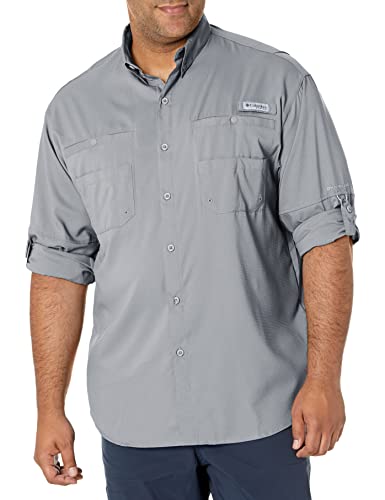

Men's Vaportek Long Sleeve
Long sleeve · Listed UPF 50+
Details & considerationsView on Amazon ↗In this field note
- Separate three comfort questions
- Do not choose sleeve length from the forecast alone
- Read ventilation descriptions literally
- Build a shortlist around different approaches
- Account for the quiet part of the outing
- Use cooling claims to ask better questions
- Remember the parts of the outfit touching the shirt
- Plan for a damp shirt after the trip
- Make the final choice without a cooling score
Imagine two hot fishing days. On one, a steady breeze reaches your shirt as you stand on an open deck. On the other, you sit close to a seatback with a broad vest panel against your back. The temperature may feel similar, yet the useful shirt features can be different. Choosing for heat means considering where the garment will be worn and what will cover it.
Do not begin by counting mesh panels or accepting the word “cooling” as a comparison result. Begin with the parts of a shirt that usually bother you: a damp lower back, a tight collar, sleeves clinging around bent elbows, or heavy pockets resting against your chest. Each points toward a different design decision. Our fishing shirt feature guides explain individual details; this guide brings them together for hot days.
Separate three comfort questions
Can the shirt move without pulling?
A garment that feels close around your chest may pull more firmly when both arms reach forward. A loose body can still have narrow sleeves or restrictive shoulders. Examine those areas separately. For a practical fit check, reach as though operating a reel, bend an elbow fully, and sit in your usual posture. The shirt should not force you to keep adjusting it merely to complete ordinary movements.
Can air reach the places you care about?
Look at vents in relation to your posture and equipment. Back ventilation may be more relevant when you stand without a pack than when your back rests against a seat. A shirt front can have several layers of pocket fabric even if the rest of the garment is thin. Neither design is wrong; the question is whether the extra structure serves a purpose on your hot-weather trip.
What do you want after the shirt gets damp?
Some people dislike a damp knit touching their skin. Others find a loose woven shirt awkward once they add a vest or jacket. Think about the sensation you already know from other clothing. That preference can help narrow the choices without pretending to predict a drying time. A quick-dry claim also needs context: a label alone cannot tell you how two shirts will behave in the same humid conditions.
Do not choose sleeve length from the forecast alone
Short sleeves reduce the amount of fabric around your arms, but they also leave more skin uncovered. Long sleeves let you choose a more covered outfit without adding separate sleeves, although their cuffs and elbow fit deserve attention. The Skin Cancer Foundation distinguishes fabric protection from garment coverage. Decide what you want covered before using sleeve length as a comfort adjustment.
For an angler who prefers long sleeves, a shirt that fits comfortably throughout a cast is more promising than one that must constantly be pushed up. If you prefer short sleeves for a particular outing, compare that design honestly rather than assuming a high fabric rating covers the exposed arms. Our sleeve-length comparison focuses on the practical differences without making a universal temperature rule.
Read ventilation descriptions literally
“Vented,” “mesh,” “lightweight” and “breathable” are useful search terms, but they do not all identify the same construction. A back opening covered by an overlapping panel is different from a knit mesh insert. A listing may mention ventilation without locating it. Inspect the rear and side photographs, not just the main front image, and check whether the feature remains exposed beneath whatever else you wear.
The current Tamiami II long-sleeve manufacturer example specifies a mesh-lined back vent. That is a specific construction detail you can consider alongside your equipment. It does not establish that the shirt will feel cooler than every unvented knit. Treat construction as evidence for a possible fit with your routine, then use the actual garment to judge comfort.
| Situation | Useful thing to inspect | Potential compromise |
|---|---|---|
| Standing with an uncovered back | Back vent position and ease through the body | Extra pocket or vent layers may feel bulky to you |
| Seated against a backrest | Side fit, hem position and fabric bunching | A large rear panel may not be exposed to moving air |
| Wearing a vest or pack | Seams and fabric beneath straps and panels | A feature can be covered by other equipment |
| Using an attached hood | Neck opening, cap interaction and hood-down bulk | You may dislike additional fabric behind the neck |
Build a shortlist around different approaches
The Huk A1A Crew is worth examining if you prefer an uncomplicated crew shape. Its marketplace title describes quick-dry and breathable features. Those are reasons to investigate the listing, not measured evidence that it outperforms another shirt. Ask whether the selected size gives you the elbow and shoulder room you need before spending time comparing color names.
For a utility-oriented alternative, the Tamiami II long-sleeve listing provides a different starting point. A button front gives you a choice about the opening at your chest, while a collared design may suit an outfit you also want to wear off the water. Check the specific edition and its garment label rather than transferring every current manufacturer detail to a marketplace variation.
You can inspect the selected A1A Crew on Amazon to compare its description and photographs with those preferences. Keep a note of what actually matters: a clear view of the back, a fit description you understand, and a stated rating if rated fabric is part of your requirement. An unclear detail should remain a question rather than becoming a favorable assumption.
Account for the quiet part of the outing
Do not choose exclusively for the brief moments when you are moving most. Your day may include waiting beside a rod, sitting during travel or standing at a cleaning area. Consider whether the same shirt remains comfortable in those positions. A front that feels unobtrusive while standing can collect against your stomach when seated; a hood that feels fine raised may be unwelcome when lowered against the neck.
Make those ordinary pauses part of the fitting. Keep the shirt on while seated for a little while, rather than taking it off immediately after checking your reach. This gives you a more useful impression of the arrangement without pretending to measure its thermal performance. Choose a design you like through the whole outing, not only during its most active moment.
Use cooling claims to ask better questions
A manufacturer might use cooling language to describe a fabric, finish or sensation. Without comparable test conditions, that language does not provide a ranking of shirts. AFTCO's fishing-shirt feature discussion outlines a range of performance designs, but it remains an industry explanation. It is not independent evidence that a particular shirt lowers body temperature more than another.
Translate promotional language into an observable question. If a page stresses ventilation, ask where the openings are. If it highlights stretch, ask whether the cut already provides adequate movement. If it emphasizes rapid drying, check for a specific comparison method before treating that claim as a measurable advantage. When no method is supplied, choose based on the construction and fit information you can actually verify.
Remember the parts of the outfit touching the shirt
A garment does not operate alone. A waistband may hold the hem tightly against your body; a broad strap can press a pocket flat; a neck gaiter and hood can create an overlap you find uncomfortable. Put the outfit together during a fitting. This is especially useful when replacing one item in a setup you otherwise like. The new shirt needs to work with those existing pieces.
Consider where small items will live, too. Loading shirt pockets changes how the front hangs. Before dismissing a shirt as uncomfortable in heat, decide whether you need to carry those objects there. On the other hand, do not buy a pocket-free design and discover that you miss the access you rely on. Hot-weather selection is a balance between an uncluttered garment and the practical functions you will use.
Plan for a damp shirt after the trip
Post-trip handling belongs in the purchase decision if your fishing schedule leaves little time between outings. Read the care label and consider whether the drying method fits your routine. Columbia's fishing cleanup guidance recommends prompt, gentle cleanup and cautions against high drying heat that can set stains or scents. The instructions on the individual garment should guide its treatment.
A spare shirt can be useful for the journey home when you dislike remaining in damp clothing, but that is a packing preference rather than evidence that your fishing shirt failed. If you regularly fish on consecutive days, consider a manageable rotation instead of expecting one garment to be ready under every drying condition. Buy the number you can realistically wash, dry and store properly.
Make the final choice without a cooling score
The Pelagic Vaportek long-sleeve listing offers another documented option described as ventilated and lightweight, with UPF 50+ in its title. It can be compared with the crew and button-front approaches above, but the available listing does not justify a measured cooling ranking. If that combination suits your requirements, review the exact Vaportek listing on Amazon and confirm the variation.
Start your final check with the garment's least comfortable moment: both arms forward, a bent elbow, the hood down, or a seatback behind you. If it works there, check the remaining details and compare current purchase terms. Browse the vented fishing shirt collection for construction options, while keeping your actual outfit and preferred coverage at the center of the decision.
Frequently asked questions
Are short sleeves always better in hot weather?
No. Sleeve choice also changes coverage and how the outfit works with other clothing. Compare your comfort preferences and movement in the actual shirt, rather than treating air temperature as the only factor.
Does a mesh back guarantee a cooler fishing shirt?
No. Mesh placement, the rest of the garment and equipment covering the area all matter. A mesh description is a construction clue, not a comparative cooling result.
How should I compare two shirts described as quick dry?
Look for an actual test method before comparing speed. Without one, focus on the exact design, fit, care requirements and your preference for how damp fabric feels.
Final Verdict
For hot weather, shortlist shirts by the way you fish and the equipment that sits over them. A simple A1A crew, a utility-style Tamiami II and a ventilated Vaportek represent different approaches worth examining. Choose the shape that remains comfortable in your most awkward ordinary position, then verify the selected version's stated features. Keep coverage as an explicit requirement and ask what a cooling claim actually describes. The most useful outcome is a shirt you can wear comfortably with your existing outfit, without depending on an unsupported promise about cooling speed or body temperature.
Explore the matching collections
Take the next step
Compare your shortlist or explore more features & design.
Revisit the first shirt on Amazon ↗Related field notes
What to Wear Deep Sea Fishing in Florida
Pack for deep-sea fishing in Florida with a location- and season-aware outfit plan covering sun shirts, weather layers, deck footwear, and dry spares.
Read the field note →What Is the Velcro Strap on a Fishing Shirt For?
Identify a fishing shirt’s rod-holder strap, tell it apart from sleeve tabs and utility loops, and check whether its placement fits your tackle routine.
Read the field note →How to Wash Fishing Shirts and UPF Clothing
Wash fishing shirts and UPF clothing with a label-first routine for stains, fasteners, detergent, rinsing, and drying across different fabrics.
Read the field note →How to Remove Sunscreen Stains from Fishing Shirts
Treat sunscreen marks on fishing shirts, including white fabric, greasy collars, and stains found after washing, with careful label-based steps.
Read the field note →