Columbia Bahama II vs Tamiami II: Which Button-Front Fits Your Routine?
Compare Columbia Bahama II and Tamiami II fishing shirts by current fabric details, fit, storage and sleeve choice while keeping marketplace versions distinct.
Quick Answer
For the current men's long-sleeve manufacturer examples, Bahama II uses nylon and a Relaxed Fit, while Tamiami II uses polyester ripstop and a Regular Fit label with loose-fit guidance. Both are utility-oriented button-fronts. Start with your preferred feel and fit, then compare storage and sleeve handling. Current manufacturer ratings differ, and neither should be silently transferred to an older marketplace listing. Match the exact version before buying.
As an Amazon Associate I earn from qualifying purchases. These links take you to Amazon, where purchases take place.
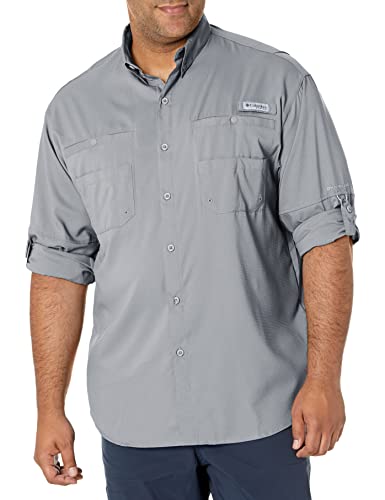
Three relevant shirts to compare
Examples for this guide. Check the exact garment and variation on Amazon.


In this field note
- The documented differences at a glance
- Start with fit because both shirts are intentionally roomy
- Use the fiber difference as a question about preference
- Compare storage by the items you actually carry
- Look at cuffs and rolled sleeves as two wearing modes
- Do not let the UPF number answer unrelated questions
- Consider collar and front-opening preferences
- Check care at the garment level
- What to do if you are considering short sleeves instead
- Choose between the documented material and fit combinations
Bahama II and Tamiami II can look similar enough that the decision seems to come down to color. Both names are associated with collared fishing shirts, and both appear in several sleeve and audience variations. Yet a useful comparison begins with the particular pair you mean to wear. Otherwise, differences in fabric, cut and generation can disappear beneath the shared Columbia branding.
Here, the technical comparison is anchored to Columbia's current men's long-sleeve manufacturer pages. The linked marketplace products remain separately identified purchase options. That distinction is especially relevant because the Tamiami II marketplace title supplied for this guide includes “Discontinued.” It is not a stock forecast, and it is not proof that every current-page detail applies to that listing.
The documented differences at a glance
Columbia's current Bahama II long-sleeve page, style 1011621, lists nylon, Relaxed Fit and UPF 50. The current Tamiami II long-sleeve page, style 1286061, lists polyester ripstop, Regular Fit and UPF 40. Both pages also describe loose-fitting designs. Those are specific published examples, not a specification for all shirts carrying either family name.
| Current men's long-sleeve example | Bahama II | Tamiami II |
|---|---|---|
| Manufacturer style | 1011621 | 1286061 |
| Listed main fabric | Nylon | Polyester ripstop |
| Fit label | Relaxed Fit | Regular Fit, with loose-fit wording |
| Published UPF | 50 | 40 |
| Shared design details | Back vent, sleeve tabs, utility storage | Back vent, sleeve tabs, utility storage |
Do not turn that table into a points contest. A different rating, fiber name or fit label may matter to your requirements, but it does not show which shirt will feel better on your body. Use the differences to decide what to inspect. A useful choice can be based on the way the shirt hangs, the ease of a pocket opening or its compatibility with your regular equipment.
Start with fit because both shirts are intentionally roomy
If you prefer a shirt with visible ease through the body, both examples deserve a look. If you want a close shape, do not assume that Tamiami's Regular Fit label automatically guarantees it. Read the accompanying description, then compare the actual measurements or guidance for the selected version. The broad fit words alone are not enough to calculate the difference between two sizes.
Think about whether you will wear the shirt by itself, over a light layer or beneath a jacket. Those arrangements change the amount of room you find useful. A relaxed body can feel comfortable by itself but create folds under a close outer layer. A closer size might reduce those folds while making the shoulders less comfortable. Test the configuration you intend to use rather than judging the empty shirt.
Reach forward with both arms and notice the back and upper sleeves. Then sit and examine the lower front. A shirt can have ample chest room while its hem or pockets collect in an awkward place when seated. If one model's cut behaves better during your normal movements, that may be a stronger reason to choose it than a small difference in a published feature list.
Use the fiber difference as a question about preference
The nylon-versus-polyester distinction gives you something concrete to investigate, but it does not establish a measured drying or cooling winner. Fabric construction and the full garment also matter. If you know the feel of an existing shirt you enjoy, start by identifying its fabric and cut. That can help frame your preference without assuming that every nylon or polyester garment feels the same.
For this comparison, ask what bothers you about other button-fronts. Do you dislike stiff-feeling pockets, a fabric that sits too close when damp, or excess material at the waist? Those experiences provide better shopping questions than asking which fiber is universally best. The polyester versus nylon guide explores material selection separately, leaving this article focused on the two shirt designs.
Compare storage by the items you actually carry
Both current manufacturer examples include utility storage, but you should compare the layout with your own objects and movements. Identify the small items you truly want in a chest pocket. A place for sunglasses may be convenient when standing but sit awkwardly when you lean forward. A closure that looks secure may require an extra step you dislike when using it frequently.
Look at the pockets with the shirt fastened and with your usual equipment over it. A strap can cross a pocket opening or press its contents against your chest. If you would not use the storage in that outfit, the feature contributes little to the choice. For anglers who carry small items elsewhere, fabric feel and collar comfort may be more relevant than pocket count.
The Bahama II long-sleeve marketplace option provides a concrete listing to inspect. Compare its photographs and selected variation with the Tamiami II long-sleeve option. Keep the full names in your notes so that a later search does not accidentally substitute a short-sleeve, women's or differently named version.
Look at cuffs and rolled sleeves as two wearing modes
The current long-sleeve examples both list sleeve tabs. That means you have more than one arrangement to consider during a fitting. With sleeves down, check reach and wrist comfort. With sleeves rolled, consider where the fold sits relative to your elbow and whether it interferes with bending. A sleeve arrangement that works while standing may feel different during repeated movement.
Rolling sleeves changes the area covered by the garment, so it should not be treated as identical to wearing them down. If you expect to keep sleeves rolled for most of every outing, a short-sleeve version may be worth comparing directly. If you like having both arrangements available, the tab and cuff details become more valuable. Our sleeve-choice guide addresses that tradeoff.
For a specific long-sleeve candidate, review the selected Bahama II listing on Amazon. Confirm that its version and sleeve length match your notes before comparing purchase terms. A family name can make an unfamiliar variation look like the garment you researched, even when the selection has changed.
Do not let the UPF number answer unrelated questions
If a stated minimum rating is part of your purchase requirement, the current manufacturer examples give you a meaningful distinction to check. But the number does not describe the comfort of a collar, the ease of reaching a pocket or how the shirt fits beneath a pack. Keep those decisions on separate lines. A shirt needs to satisfy your usable-fit requirements as well as your fabric requirements.
The Skin Cancer Foundation's clothing guidance explains why fabric rating and covered area are separate considerations. Examine the neckline and sleeves in the positions you actually use. Also verify the rating of the item you plan to order; an older Bahama or Tamiami listing should not inherit the current manufacturer's number merely because the family name matches.
Consider collar and front-opening preferences
A secured collar can be part of the appeal of a fishing button-front, but collar comfort is personal. Fasten the shirt as you expect to wear it and turn your head in both directions. Try the sunglasses or neckwear that usually accompanies the outfit. If the collar competes for space with another garment, you may prefer a different size, a different shirt or a simpler crew design.
The front opening also affects versatility. Some people want a shirt they can wear open over another light layer during a casual stop, then fasten for fishing. Others expect it to remain buttoned throughout the day. Neither use requires declaring one model more fashionable or professional. Decide which arrangement you want and judge how each candidate sits in that arrangement.
Check care at the garment level
Before committing to a repeat purchase, see how the specific shirt fits your normal care routine. Use its own label for settings and restrictions. A shared brand does not make instructions universal across fabric families. The broad practices in Columbia's care guidance can help with handling and storage, while the individual garment remains the source for its permitted treatment.
This is a practical concern if you travel or fish on consecutive days. Think about where you can wash and dry the shirt, whether you will pack a spare and how you normally store clothing after a trip. Those considerations may favor the garment whose care needs you understand. They do not supply a tested lifespan or justify promising that either model is easier to maintain in every circumstance.
What to do if you are considering short sleeves instead
The Bahama II short-sleeve listing is an alternative format, not a replacement specification sheet for the long-sleeve example. If short sleeves are your real preference, compare a short-sleeve Bahama with a short-sleeve Tamiami and verify those exact details. Otherwise, you may attribute a coverage or cuff difference to the model when it comes from the sleeves.
Keep the same discipline when comparing men's and women's versions. A familiar name can help organize the search, but it does not establish equivalent proportions. Use the audience and cut you intend to buy, then consult its fit information. Model-level comparisons are most useful when they do not erase the differences that make a garment fit a particular person.
Choose between the documented material and fit combinations
| Your preference | Current manufacturer reference to examine |
|---|---|
| Nylon taffeta and an explicitly Relaxed Fit | Bahama II long sleeve, style 1011621 |
| Polyester ripstop and Regular Fit accompanied by loose-fit guidance | Tamiami II long sleeve, style 1286061 |
Use those combinations to make the comparison concrete. If you already own a nylon shirt you enjoy, examine the Bahama fabric and silhouette first; if polyester ripstop is your preference, begin with Tamiami. Neither preference establishes a faster drying time or a cooler shirt. Pay attention to the shape you want at the shoulders and waist, then use the individual measurements to decide whether that preference survives the fit check.
Revisit the Tamiami II marketplace listing on Amazon with its edition wording in mind, or explore the button-front collection if neither cut appeals. The buying guide hub connects this comparison to other designs. A clear understanding of the selected version matters more than choosing a winner for every shirt carrying the Bahama or Tamiami name.
Frequently asked questions
Is Bahama II always UPF 50?
The current Columbia men’s long-sleeve style 1011621 page states UPF 50. That does not establish the rating of every older, short-sleeve or marketplace variation. Verify the particular item.
Is Tamiami II a slim-fitting alternative to Bahama II?
Do not assume so. The current Tamiami II page uses a Regular Fit label but also describes a loose fit. Compare the exact size guidance and how the shirt moves on your body.
Does a discontinued Tamiami listing mean I cannot buy it?
The title alone does not establish remaining stock or current availability. Check the selected marketplace listing and retain the edition context when comparing its details.
Final Verdict
Bahama II and Tamiami II are close enough in purpose that the details deserve attention. The current men's long-sleeve examples differ in fabric, fit labeling and published UPF, while both provide utility-shirt features. Use those facts to guide a fitting and a careful review of the selected version. Prefer the shirt whose sleeves, pockets and collar suit your ordinary movements, then confirm its rating and care information. Keep short-sleeve and women's variants as separate comparisons. The strongest purchase is a clearly identified garment that meets your needs, not a model name chosen from an oversimplified winner table.
Explore the matching collections
Take the next step
Compare your shortlist or explore more buying & comparisons.
Revisit the first shirt on Amazon ↗Related field notes
Long Sleeve vs Short Sleeve Fishing Shirts: Decide by Use and Coverage
Compare long and short sleeve fishing shirts by arm coverage, cuffs, movement and layering, including when roll-up sleeves are a useful compromise.
Read the field note →Button-Up vs Performance Fishing Shirts: Woven or Knit?
Compare button-front and knit fishing shirts by closures, pockets, movement and layering, while understanding why both can carry performance features.
Read the field note →Columbia Tamiami II vs Bonehead: Polyester Utility or Cotton?
Compare Columbia Tamiami II long sleeve and Bonehead short sleeve by verified fabric, fit, pockets, care, and the sleeve difference that shapes the choice.
Read the field note →Columbia Fishing Shirt Sizing: Which Models Run Roomy?
Read Columbia fishing shirt fit notes by model, distinguish relaxed from regular cuts, and check standard, tall and older listings before choosing.
Read the field note →