Baitium
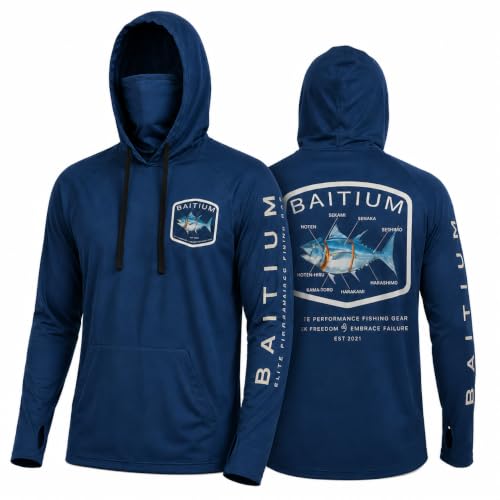
Men's Bluefin Recycled Polyester Hoodie
Long sleeve · Listed UPF 50
Details & considerationsView on Amazon ↗Compare polyester and nylon fishing shirts through construction, wet feel, stretch, and care. Learn why fiber names alone cannot name a winner.
Polyester and nylon can both work in fishing shirts, but neither fiber name identifies the better finished garment. Compare the actual knit or woven fabric, its thickness, stretch, fit, and stated moisture-management features. Use a model-specific composition label, especially when a product family has changed materials. For repeated casting or a damp outing, the shirt’s construction and movement can matter more to your choice than a broad synthetic-fiber preference.
As an Amazon Associate I earn from qualifying purchases. These links take you to Amazon, where purchases take place.
Examples for this guide. Check the exact garment and variation on Amazon.
Long sleeve · Listed UPF 50
Details & considerationsView on Amazon ↗Long sleeve · Listed UPF 50+
Details & considerationsView on Amazon ↗Polyester versus nylon sounds like a clean two-column decision until the shirts being compared turn out to be a loose woven button-down and a close hooded knit. Their differences then include cut, construction, layers of fabric, and features as well as fiber. A useful comparison starts by controlling those differences where possible.
Both names describe families of synthetic fibers, not a single standardized cloth. You can choose successfully without declaring either universally softer, cooler, stronger, or faster drying. The practical task is to identify which finished shirt handles your intended movement and wet exposure with the care routine you can support.
Write down the full names of the two shirts, including sleeve style and any model-generation wording. Then find the exact composition for each. If one listing does not state its fiber content, mark it unknown. A familiar brand family name is not a substitute, especially when different editions use different materials.
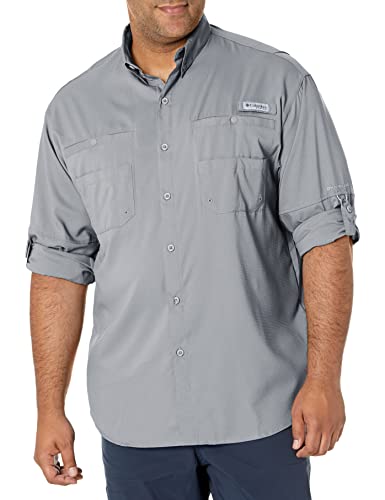
Pelagic's current Aquatek Gunner page specifies nylon for that particular hooded model. Columbia's current Tamiami II long-sleeve page specifies polyester ripstop. Those are useful material examples, but comparing them does not isolate fiber: a hooded performance form and a collared woven form are different garments.
If you are deciding between those forms, begin with button-up versus performance shirts. Return to the fiber question once you know whether you want a collar and placket, a crew neckline, or a hood. That sequence reduces the chance of blaming a fiber for a design you simply do not prefer.
Surface feel comes from more than raw chemistry. Yarn size, texture, knitting or weaving, finishing, and the cloth's density all influence what your hand notices. A smooth nylon fabric and a textured nylon fabric can feel different; the same is true within polyester. A soft finish on one model does not prove the fiber is always softer.
When you can examine a shirt, touch the inside as well as the outside. The inner face is what meets your skin. Check the underarm seams, collar edge, and any mesh panels rather than judging only the broad chest panel. If you are ordering online, seek clear construction descriptions and close photographs while treating subjective feel claims as descriptions rather than measurements.
Drape also changes the experience. A supple fabric may follow the body closely, while a crisper woven may stand away in places. Neither behavior is automatically more comfortable. Consider whether you dislike cling, prefer a structured collar, or need the shirt to slide easily beneath another layer.
A fiber's interaction with moisture does not by itself reveal how quickly a complete shirt dries. Water can remain among yarns, in pockets, at seams, and in multiple layers. Fabric design can also move liquid across the surface. These mechanisms affect a shirt differently from simply naming its dominant fiber.
AATCC separates drying, wicking, and liquid moisture-management methods. That is a useful framework for evaluating claims. A product described as moisture wicking has not thereby supplied a comparative drying time against another shirt. A quick-dry description is not a guarantee that the skin-facing surface will always feel dry while you sweat.
Consider where moisture is likely to come from. A few splashes on the front, perspiration beneath a vest, and a fully soaked shirt create different conditions. Ask which situation matters to you before interpreting a water-repellent finish or lightweight claim. The quick-dry guide focuses on drying after wetting, while the wicking guide focuses on liquid movement.
The Baitium Bluefin hoodie identifies recycled polyester in its listing title. The Pelagic Aquatek Gunner hoodie offers another hooded form to investigate. Comparing two hoodies is closer to an equivalent design comparison than pairing a hoodie with a pocket-heavy button-front, although it still does not control all construction differences.
Inspect the Baitium Bluefin option on Amazon for the full material label and selected variant. Its recycled-polyester wording does not establish a universal durability or drying advantage. For the Gunner, match the marketplace selection with the exact manufacturer edition before carrying over its nylon specification.
| Comparison item | Question to resolve for both shirts |
|---|---|
| Fiber identity | Is the exact composition stated for the selected model? |
| Construction | Are both knit, both woven, or fundamentally different? |
| Wet use | Is the relevant claim wicking, drying, or surface repellency? |
| Movement | Does the finished shirt provide comfortable reach? |
| Maintenance | Can you follow both care labels with your usual routine? |
Do not assume polyester means nonstretch or nylon means stretch. An elastic blend is one way to provide give, but yarn and fabric construction can also contribute. Pelagic describes four-way stretch for the current nylon Gunner example. That is a manufacturer claim about that model, not a reason to assign the same behavior to every nylon fishing shirt.
During a try-on, reach forward and across your body gently. Observe whether the fabric gives where needed and whether the shirt settles afterward. A stretchy panel cannot necessarily free a restrictive seam or undersized armhole. Conversely, a woven shirt with sufficient room can permit comfortable casting without a large amount of elastic stretch.
If your current shirt binds, describe the location before changing fibers. Tight upper arms, limited back width, and a short sleeve route are different problems. The stretch guide explains how to assess give and recovery without treating either as a replacement for appropriate sizing.
A broad claim that one fiber is tougher does not establish which shirt will resist your actual wear pattern. Look at the places that meet straps, seat edges, hook-and-loop fasteners, and repeated pocket use. The finished fabric, seam construction, and surface texture are relevant there. A fine open structure may behave differently from a closely built one regardless of the headline fiber.
Check whether the listing provides specific abrasion or snag evidence before accepting a comparative claim. In the absence of equivalent testing, use construction observations and care requirements to frame your decision. Do not turn an attractive ripstop grid into a promise that a shirt cannot tear, or a smooth surface into a promise that it cannot snag.
Your handling can reduce avoidable damage. Keep exposed hook-and-loop areas and rough equipment away from delicate shirt surfaces when practical. Follow the garment label during cleaning. These are useful habits for either fiber and do not require a declaration that one is indestructible.
Nylon and polyester names do not establish a UPF number. Check the stated rating for the exact shirt and its relevant conditions. A similarly colored garment made from the same fiber may have a different construction and different rating. The UPF label checklist provides a separate evaluation route.
Fit and coverage still matter. ARPANSA's clothing guidance identifies construction and tension among the factors affecting UV protection. A too-small stretch shirt should not be selected simply because its fiber seems technical. Likewise, changing fiber does not cover the exposed areas around a short sleeve or open neckline.
If you own a synthetic shirt you like, record what works before comparing another fiber. Note the neckline, construction, room through the back, and where seams meet equipment. Try to preserve those successful features in the alternative. Otherwise, a switch from polyester to nylon may also change several unrelated variables, making it difficult to know why the new shirt feels better or worse.
The same method helps when a current shirt disappoints. A complaint about a heavy hood should lead to a hood-construction comparison; discomfort at a rough seam should lead to seam placement and finishing. Neither problem requires a wholesale judgment against its fiber family.
Do not choose a dryer temperature from the fiber name alone. The finished garment may include elastic components, graphics, or treatments with their own limitations. Compare the actual label instructions before deciding which shirt is easier to care for. A model that fits your laundry routine may be more practical than another with a feature you rarely use.
For travel, consider your available drying space and whether a hood or layered pocket will need extra attention. Those construction details can matter more than a generic synthetic-versus-synthetic comparison. Keep your laundering questions separate from unverified assumptions about odor resistance, which may depend on treatments and use as well as fabric.
For repeated reaching, prioritize the fit and construction that allow comfortable motion. For a shirt worn under straps, inspect the seams and surface at those contact areas. For a trip involving frequent splashes, read drying and repellency claims precisely. These priorities narrow the decision without claiming that every polyester shirt or every nylon shirt will behave alike.
You can review the Aquatek Gunner listing on Amazon alongside the polyester example, confirming each selected edition. If a collar and pockets are more important, the Tamiami II long-sleeve overview redirects the comparison toward a woven format; its referenced marketplace title identifies a discontinued listing, so verify that variant's details.
The hooded collection and fabric guide hub help organize the next step. Choose the complete shirt that answers your specific priorities, with unknown details left as questions rather than converted into a confident fiber ranking.
No. Yarn, construction, and finishing change surface feel within either fiber family. Compare the inside face and seams of the actual shirts.
Yes, stretch can come from construction or yarn design as well as an elastic blend. Verify the exact model’s claim and assess usable movement.
No. A fiber name alone does not establish a UPF rating. Check the selected garment’s stated rating, conditions, fit, and coverage.
Polyester and nylon are starting points for a comparison, not verdicts. Match similar shirt forms, verify each composition, and evaluate movement, wet-use claims, and care at the model level. Avoid importing specifications from a different edition of a familiar product family. If one garment fits your shoulders better, places seams more comfortably, and suits your maintenance routine, those are concrete reasons to prefer it. A broad statement about either fiber cannot replace that finished-garment assessment. Keep unknown details visible until they are resolved for the selected model.
Compare your shortlist or explore more fabric & sun coverage.
Revisit the first shirt on Amazon ↗Learn how fishing shirt fibers, knit or woven construction, stretch, and finishes work together—and which details to verify on the garment label.
Read the field note →Remove fish blood from fishing shirts with cold-water first steps, fabric-safe pretreatment, and a check-before-drying routine for fresh or dried stains.
Read the field note →Compare cotton and polyester fishing shirts for damp outings, everyday comfort, fabric feel, and care, with model-specific examples and tradeoffs.
Read the field note →Compare dark and light fishing shirt colors for practical comfort, visible stains, outfits, and documented UPF without guessing what fish see.
Read the field note →