What Does Moisture Wicking Mean in a Fishing Shirt?
Learn how moisture-wicking fishing shirts move liquid, how that differs from drying, and why fit, humidity, and layers affect the result in use.
Quick Answer
Moisture wicking means a fabric can transport liquid through or across its structure. In a fishing shirt, that can help spread perspiration away from a concentrated wet area so evaporation has more opportunity to occur. Wicking does not mean waterproof, instantly dry, or automatically cooler in every condition. The fabric, fit, surrounding air, and layers over the shirt all influence whether the result feels comfortable.
As an Amazon Associate I earn from qualifying purchases. These links take you to Amazon, where purchases take place.
Three relevant shirts to compare
Examples for this guide. Check the exact garment and variation on Amazon.

In this field note
- Follow the liquid through the fabric
- Distinguish four commonly mixed terms
- Why a wicking shirt can remain damp
- Fit influences where moisture can move
- Read an actual claim instead of inferring one
- A fiber name cannot do all the explaining
- Evaluate evidence without overreading a demonstration
- Keep care tied to the garment
- Choose wicking for a defined need
Moisture wicking describes movement, not disappearance. A shirt may move perspiration from a small area into a wider area of cloth and still feel damp. Understanding that distinction makes the phrase more useful: you can decide whether liquid transport addresses your problem instead of expecting it to eliminate sweat.
For fishing, the practical question is where moisture collects during your normal outing. It may gather beneath a vest, around the lower back while seated, or along a sleeve after repeated movement. A fabric's transport behavior matters, but so do the places where air and outer layers allow that moisture to leave.
Follow the liquid through the fabric
Wicking involves liquid moving through the small spaces within a textile, often described in terms of capillary action. Yarn arrangement and surface properties can encourage that movement. The route may extend across the cloth or from one face toward another, depending on how the fabric is engineered. Do not assume every shirt sends all moisture in one direction away from the skin.
AATCC's explanation of vertical wicking methods describes evaluating a fabric's ability to transport liquid vertically. This is a useful technical anchor for the word wicking: it concerns transport that can be measured under defined conditions. It does not by itself describe a full shirt being worn during a day of fishing.
Spreading liquid can increase the area from which evaporation can occur. Cotton Incorporated's TransDRY explanation describes one engineered yarn approach that uses moisture movement and spreading. That example shows the role of fabric design; it should not be read as proof that any ordinary cotton fishing shirt uses the same technology or delivers its claims.
Distinguish four commonly mixed terms
| Term | Main question | What it does not establish |
|---|---|---|
| Wicking | How does liquid move within or across the textile? | How fast the whole garment becomes dry |
| Absorbency | How does the textile take up liquid? | Whether the skin-facing surface feels comfortable |
| Quick drying | How readily does moisture leave the wet fabric? | A waterproof barrier |
| Water repellency | How does the surface resist wetting from droplets? | Liquid transport from perspiration inside |
A shirt can carry more than one of these claims, but each needs to be read on its own. A repellent exterior and a moisture-managing interior are not necessarily contradictory; they describe different aspects of behavior. Equally, the presence of one phrase does not license you to add the others when the manufacturer has not stated them.
AATCC's standards list separates liquid moisture management, wicking, drying, and water-vapor transmission. For shoppers, the value of that separation is conceptual clarity. You do not need a laboratory method number to buy a shirt, but you should be cautious about a sweeping claim supported only by a different type of test.
Why a wicking shirt can remain damp
Moisture must ultimately leave the fabric to dry it. If perspiration arrives faster than moisture can leave, the shirt can stay wet even while transport is occurring. High humidity, limited airflow, and covered fabric areas can reduce the opportunity for evaporation. Wicking cannot make the surrounding conditions irrelevant.
Think about a back panel beneath a vest. The fabric may spread moisture, yet the overlying equipment changes the environment around it. A loose sleeve exposed to moving air may behave differently at the same moment. That uneven result is not necessarily evidence that the entire shirt's feature has failed.
A shirt may also feel wet because liquid reaches more of the fabric surface. A wider damp patch does not automatically mean poor performance; it may reflect spreading. However, visual spreading alone cannot prove that the shirt is more comfortable or better than a competitor. Keep observation and comparative conclusion separate.
Fit influences where moisture can move
A shirt worn next to skin interacts differently with perspiration than a very loose garment that touches only in places. That does not mean the tightest possible fit is best. Comfortable contact, available air space, and freedom of movement must be balanced within the intended design. Follow the model's fit guidance rather than choosing a smaller size solely because it says wicking.
Excess tension can create other problems, such as a lifting hem or restrictive shoulders. A heavily layered outfit can also change the experience regardless of the shirt's standalone description. Evaluate the combination you actually wear, including a thin base layer when relevant and correctly fitted equipment.
For the garment-side checks, see fishing-shirt sizing and layering a fishing shirt. Those decisions complement moisture management; they are not separate from how the feature works in practice.
Read an actual claim instead of inferring one
The Huk A1A Lightweight Hoodie explicitly includes moisture-wicking and quick-dry language in its listing title. That makes it relevant to this explanation, but the wording does not provide a measured ranking against every other shirt. The exact selected model and care information remain part of the assessment.
Open the A1A Lightweight Hoodie listing on Amazon and distinguish the two claims as you read. Ask whether the description explains the fabric or construction involved and whether the feature is attached to the variant you plan to purchase. Do not substitute an older A1A title or a different UPF claim merely because the line name is familiar.
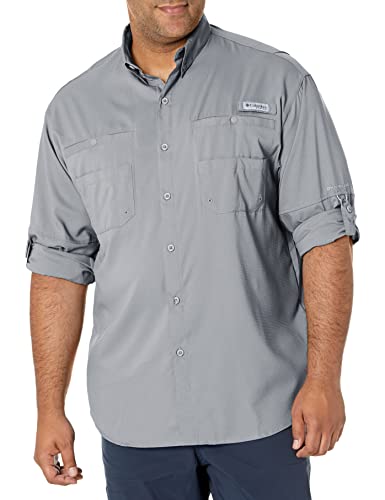
The Tamiami II long-sleeve overview provides a woven alternative. Columbia's current manufacturer example lists Omni-Wick. The referenced marketplace title is a discontinued listing, so its precise edition should be checked rather than silently replacing its information with the current page.
A fiber name cannot do all the explaining
Polyester is common in performance shirts, but the composition line alone does not prove a particular liquid-transport result. Construction and finishing contribute to behavior. Cotton can also be engineered for moisture management, as the technology example above illustrates. Avoid treating synthetic as a synonym for wicking or cotton as a synonym for nonwicking.
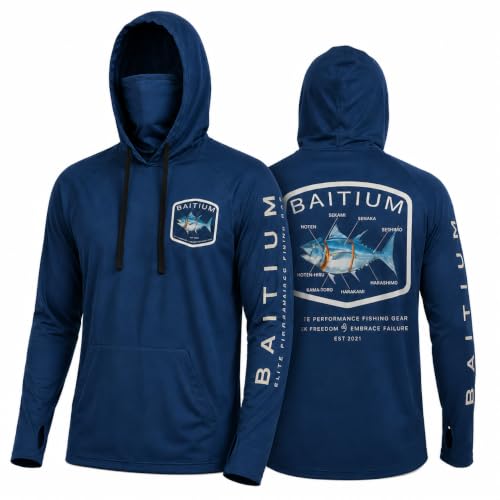
The Baitium Bluefin hoodie identifies recycled polyester in its title. That is a different kind of information from a verified wicking claim. It can be a material comparison candidate, but the recycled wording alone should not earn it a moisture-management advantage. The materials overview separates these label categories.
Similarly, a mesh panel suggests a construction detail, not a complete performance verdict. It may influence airflow or transport, but its location and the surrounding garment matter. Do not assume that more visible mesh guarantees a drier shirt in every seated or layered situation.
Evaluate evidence without overreading a demonstration
A water-drop demonstration may show wetting or spreading at a particular spot. It does not reproduce ongoing perspiration, body contact, a vest, wind, or changing humidity. It can illustrate a behavior without proving the shirt is best for your outing. Avoid treating a dramatic photograph of a droplet as a full comfort test.
If a brand provides comparative results, look for what was compared and under what conditions. Was it fabric or a finished garment? Was the amount of water controlled? Were the samples similarly constructed? A claim without those details may still describe design intent, but it should not be elevated into a precise performance difference.
For your own use, note where the shirt feels persistently damp and whether adjusting the outfit changes that experience. Those notes can guide a later purchase. They should remain personal observations, not invented laboratory results or a basis for universal claims.
Describe the outcome you actually want
Before replacing a shirt, distinguish a wet patch you can see from a sensation you dislike. If the visual patch is your concern, liquid spreading may not create the appearance you expect. If the problem is persistent contact with damp cloth, fit and fabric feel become part of the answer. If the shirt dries acceptably once you remove your vest, the covered environment may deserve attention before you blame the fiber. A specific description makes the next product comparison more useful.
Keep care tied to the garment
Follow the actual care label and any model-specific instructions for detergents, treatments, and drying. A broad rule copied from waterproof outerwear may not apply to a lightweight fishing shirt. Finishes, graphics, and trims can make the finished garment's instructions more relevant than the dominant fiber alone.
If you suspect a change in moisture behavior, first review whether the shirt was cleaned and rinsed according to its directions and whether the current outfit or weather differs from previous use. Do not immediately assume the feature has expired after an invented number of washes. The fabric-softener guide and washing guide handle those care questions in detail.
Choose wicking for a defined need
Wicking is most useful as a selection criterion when your concern is the movement of perspiration within a shirt. If you mainly want a washed garment ready the next morning, drying behavior may deserve more attention. If the concern is outside rain, neither wicking nor quick-dry language establishes a waterproof shell.
Review the Tamiami II long-sleeve listing on Amazon if you prefer a woven form, checking the exact edition's information. The long-sleeve collection offers other shapes once you know which moisture problem you are trying to solve.
For the next step, use the fabric guide hub to separate drying, fiber, and construction decisions. A useful wicking shirt is one whose transport feature works within a comfortable garment and realistic surroundings, without expecting liquid movement to promise permanent dryness.
Frequently asked questions
Why is my moisture-wicking shirt still wet?
Wicking moves liquid; it does not remove all moisture instantly. Continued perspiration, humidity, covered panels, and limited airflow can leave a wicking shirt damp.
Is moisture wicking the same as water repellent?
No. Wicking concerns liquid transport through or across fabric. Water repellency concerns resistance to surface wetting from droplets; neither term by itself means waterproof.
Should a wicking fishing shirt be skin-tight?
No. Use the intended fit with comfortable movement. Fabric contact matters, but excessive tension and restrictive sizing can create other problems without guaranteeing better moisture management.
Final Verdict
Read moisture wicking as a liquid-transport feature and decide whether that is the job you need your shirt to do. Check the exact model’s wording, then consider fit, layers, airflow, and the places where perspiration collects. A damp shirt does not automatically disprove wicking, just as a spreading water drop does not establish superior comfort. Keep quick drying and water repellency as separate claims. This more precise reading makes it easier to choose a useful feature without expecting it to overcome every condition on the water.
Explore the matching collections
Take the next step
Compare your shortlist or explore more fabric & sun coverage.
Revisit the first shirt on Amazon ↗Related field notes
Big and Tall Fishing Shirt Fit: Length vs Width
Understand big and tall fishing shirt proportions, compare chart measurements, and diagnose sleeve, torso, and chest fit without guessing a size.
Read the field note →How to Read a Fishing Shirt's UPF Label
Read a fishing shirt’s UPF label with a clear checklist for model identity, rating conflicts, fabric panels, coverage, care, and seller details.
Read the field note →Caring for Fishing Shirts After Saltwater Trips
Build a practical post-trip routine for saltwater fishing shirts, from fresh-water rinsing and stain checks to careful drying, packing, and storage.
Read the field note →What to Wear Deep Sea Fishing
Plan a deep-sea fishing outfit around the run offshore, time on deck, sun coverage, rain layers, secure footwear, and a dry change for the ride home.
Read the field note →