How Should a Fishing Shirt Fit? Measure and Check Movement
Find a fishing shirt fit that works through the chest, shoulders, sleeves and hem, with a clear method for reading size charts and checking movement.
Quick Answer
A fishing shirt should allow your normal reach without pulling hard across the shoulders, opening between buttons or lifting the hem excessively. Sleeves and any hood or thumbholes should remain comfortable as you move. Start with the exact model’s size chart and determine whether its numbers describe your body or the garment. Then check the fit with your usual layers and equipment. A size letter or a general “runs large” comment cannot replace those steps.
As an Amazon Associate I earn from qualifying purchases. These links take you to Amazon, where purchases take place.
Three relevant shirts to compare
Examples for this guide. Check the exact garment and variation on Amazon.

Men's Performance Fishing Hoodie
Long sleeve · Listed UPF 50+
Details & considerationsView on Amazon ↗In this field note
- First identify what the size chart measures
- Take body measurements for the chart you are using
- Use a familiar shirt as a second reference
- Check the chest and shoulder area separately
- Sleeve length must survive a forward reach
- Watch what the hem does when you sit
- Add the layers and equipment that change the fit
- Diagnose the problem before changing size
- Handle in-between sizes with a specific priority
- Finish with a repeatable movement check
A shirt can look the right size in a mirror and still be wrong for fishing. The mirror shows a quiet standing position. Fishing adds forward reach, bent elbows, turns of the torso and time spent seated. A useful fit leaves room for those actions while keeping the sleeves, hem and other features where you expect them.
Begin by separating width from length. A roomy chest does not guarantee a long enough sleeve, and a long body does not guarantee enough space across the shoulders. When a shirt feels wrong, name the location of the problem before changing size. Otherwise, you may fix a short sleeve by adding unwanted fabric everywhere else.
First identify what the size chart measures
A body-measurement chart tells you which body dimensions the maker associates with each size. A garment-measurement chart describes the physical shirt. These numbers are not interchangeable. For example, Huk's women's Pursuit chart explicitly states that its measurements refer to body size rather than garment dimensions. Read that note before comparing it with a shirt laid flat on a table.
Look for units and the measurement diagram as well. A chest figure may be a full circumference or, on a garment diagram, a flat width. Sleeve length can be measured from different starting points. Two charts that use the same words may still ask you to measure differently. Follow each maker's instructions instead of carrying a number from one chart into another without checking its meaning.
If the listing does not explain the basis, clarify it before using the chart. Guessing whether a dimension is doubled can lead to a completely wrong choice. A short question about the exact model's chart is more useful than asking whether it fits “normally,” because normal can mean different things to different shoppers.
Take body measurements for the chart you are using
Use a flexible tape and follow the manufacturer's diagram. Keep your posture natural rather than expanding the chest or pulling the stomach in. The tape should follow the intended route without being pulled so tightly that it compresses the body. If another person can help with a difficult measurement, that may make it easier to keep the tape in the right place.
Record the numbers and their units together. Also note where the tape started for the sleeve measurement. That small detail prevents a later comparison from mixing two methods. If a reading seems unexpectedly different when repeated, check the tape position before interpreting the change as a sizing problem.
For body shape, the limiting measurement may not be the chest alone. A button-front shirt can also need room at the waist or hip depending on its length and cut. A pullover may need enough room to pass comfortably over the torso and settle without tension. Use every relevant measurement in the chart rather than choosing a size from whichever number gives the neatest appearance.
Use a familiar shirt as a second reference
A shirt that already fits well gives you information about the shape you like. Lay it flat without stretching it and inspect chest width, sleeve length and body length using the method provided by a candidate's garment chart, if one is available. This comparison works best when the formats are similar: a fitted crew and an oversized utility shirt have different intended amounts of room.
Do not compare an old garment's flat width directly with a new brand's body circumference recommendation. Instead, use the familiar shirt to explain preferences: you like its sleeve reach, need more room across the back or would prefer a shorter hem. Those observations remain useful even if the new listing does not publish complete garment dimensions.
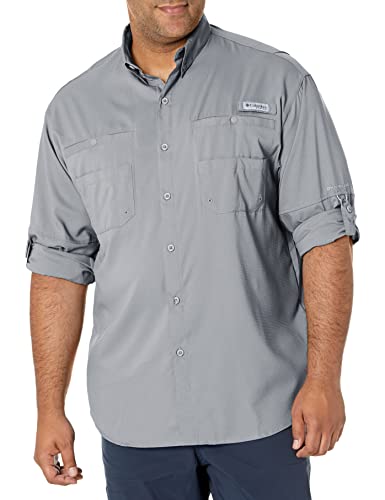
The Columbia Tamiami II long-sleeve example and Huk women's Pursuit example illustrate why a name and size letter are insufficient. They are different shapes for different wearers. Each should be matched to its own chart and version, rather than receiving a universal rule about how “fishing shirts” fit.
Check the chest and shoulder area separately
Fasten a button-front shirt as you intend to wear it and relax the arms. Look for persistent pulling at the placket or obvious tension across the chest. With a crew, notice whether fabric feels stretched before you begin moving. Then reach forward with both hands. The movement should not require the shirt to drag firmly across the back or pull the neckline into an uncomfortable position.
Shoulder-seam position is useful information, but interpret it within the design. Some garments use a conventional shoulder seam; others use raglan or different sleeve constructions. Do not force every shirt to match a single seam-placement rule. What matters is whether the cut provides comfortable movement and whether its intended shape suits you.
To inspect a utility-style option, open the Tamiami II Amazon listing. Note that this marketplace title includes “Discontinued.” Compare the selected edition's information carefully rather than assuming every current chart or descriptive detail belongs to it. The Columbia-specific sizing guide addresses those model differences.
Sleeve length must survive a forward reach
Check the cuff at rest, then extend your arms as though holding the rod. Bend the elbows and bring the hands across the body. Notice whether the sleeve moves a comfortable amount or pulls sharply upward. A sleeve that covers the wrist only when the arm hangs straight may not provide the position you want during use.
If there are thumbholes, test them after assessing the sleeve with the thumbs free. A thumbhole should not be used to force a short sleeve to stay down. Likewise, an adjustable cuff should be set comfortably rather than tightened to compensate for excessive sleeve movement. Feature-specific guidance belongs in the thumbhole guide.
Watch what the hem does when you sit
Sit in a normal position, lean forward and turn slightly. Check whether the lower shirt pulls tight, opens at the bottom buttons or gathers in a bulky fold. A hem that looks tidy while standing may interact differently with trousers, a belt or another garment when seated. This is especially important if seated fishing makes up much of your day.
Try the shirt tucked or untucked according to your preference. A useful fit should work in the arrangement you actually plan to wear, not only in the one that makes a fitting-room photograph look best. If you change between the two, check both. More body length can help one arrangement while adding bulk to another.
Add the layers and equipment that change the fit
Wear the underlayer you expect to use, rather than a much thinner substitute that makes the size seem comfortable. Then add the usual pack, vest or outer shirt and repeat the reach. Straps can hold fabric in place, reveal pressure from pocket closures or alter how much the back moves. A good fit with nothing over it may not answer those questions.
A hood requires a separate turn-of-the-head check. Raise it with your usual cap if applicable, then look left, right and down. The hood should not make the shirt pull awkwardly from the shoulders. If you are choosing among shapes, the hooded collection and hooded-versus-crew guide help identify the design tradeoff.
Diagnose the problem before changing size
| Observation | What to compare next | Why a simple size change may fail |
|---|---|---|
| Chest comfortable, sleeves short | Sleeve proportion or tall option | More chest width may be unnecessary |
| Placket pulls at one body area | Cut through that area and chart dimensions | The limiting point may be waist or hip, not chest |
| Much fabric bunches under straps | Overall cut and equipment interaction | A smaller size might restrict reach elsewhere |
| Hood tugs when turning | Hood shape and neckline connection | The torso size may already be correct |
Regular, relaxed and performance are descriptions of intended fit, but they are not one universal sizing system. Use the brand's explanation and exact model evidence. Nor should you assume a new shirt must be deliberately tight because it stretches. ARPANSA notes that stretching knitted fabric can affect its UV protection, adding another reason to avoid treating fabric tension as a desirable fitting goal.
Handle in-between sizes with a specific priority
If your measurements fall between recommendations, determine which dimension limits movement and what the maker advises. Consider whether you will layer underneath and whether the chosen format is intended to be roomy. Avoid an automatic “always size up” rule: it may create long cuffs or excess fabric without improving the area that is restrictive.
Do not plan to shrink a shirt to achieve the right fit. That makes a controlled sizing decision depend on an uncertain laundering outcome. Select a suitable cut first and follow its care instructions afterward. Keep tags and packaging as needed under the seller's terms while making your initial fit assessment; the purchase and any eligible return are handled by that seller.
Finish with a repeatable movement check
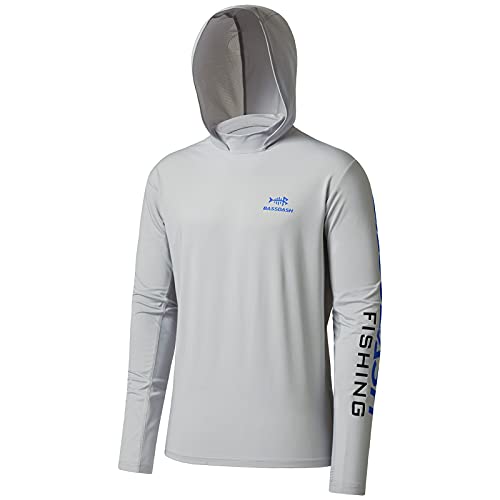
The BASSDASH men's performance hoodie is a relevant pullover comparison. Inspect its Amazon listing and selected size information, then apply the same reach, seated and hood checks rather than borrowing your size from a button-front shirt. A repeatable process makes comparisons clearer.
Keep a note of what passed and what did not. “Comfortable chest, short sleeves during reach” is far more useful for the next purchase than “medium was wrong.” Use the fit guides for more focused body and brand questions. The goal is a shirt that remains comfortable through ordinary movement, not one that meets a single still-photo definition of fit.
Frequently asked questions
Should fishing shirts fit tight or loose?
They should provide the ease intended by the design while allowing comfortable movement. Avoid unwanted tension and excessive bunching; neither tight nor loose is universally correct.
Can I use my usual T-shirt size?
Use it as an initial clue, then check the exact model’s chart. Different cuts, measurement methods and sleeve proportions can make the same letter fit differently.
What if the chest fits but the sleeves are too short?
Compare sleeve proportions or an appropriate tall option rather than automatically adding chest width. Check the manufacturer’s sleeve-measurement method first.
Final Verdict
A useful fit check combines accurate chart reading with actual movement. Establish whether the numbers describe your body or the shirt, follow the stated measuring method and compare a familiar garment only on the same basis. Then inspect chest ease, shoulder reach, sleeve position and the hem while seated. Add your normal layers and equipment before deciding. If one area fails, name that area and compare proportions rather than reflexively changing size. The right fishing shirt should let you carry out ordinary actions comfortably while keeping its coverage and features in the positions you intended.
Explore the matching collections
Take the next step
Compare your shortlist or explore more fit & sizing.
Revisit the first shirt on Amazon ↗Related field notes
Fishing Shirt Thumbholes: Hand Coverage, Sleeve Fit and Movement
Learn how fishing shirt thumbholes affect sleeve position and hand coverage, how to check wrist tension, and when an ordinary cuff may suit you better.
Read the field note →Columbia Fishing Shirt Sizing: Which Models Run Roomy?
Read Columbia fishing shirt fit notes by model, distinguish relaxed from regular cuts, and check standard, tall and older listings before choosing.
Read the field note →How to Check the Fit of Women’s Fishing Shirts
Check women’s fishing shirt fit through the bust, hips, sleeves, and seated reach. Use body charts and movement tests to compare cuts confidently.
Read the field note →What to Wear Deep Sea Fishing in Florida
Pack for deep-sea fishing in Florida with a location- and season-aware outfit plan covering sun shirts, weather layers, deck footwear, and dry spares.
Read the field note →