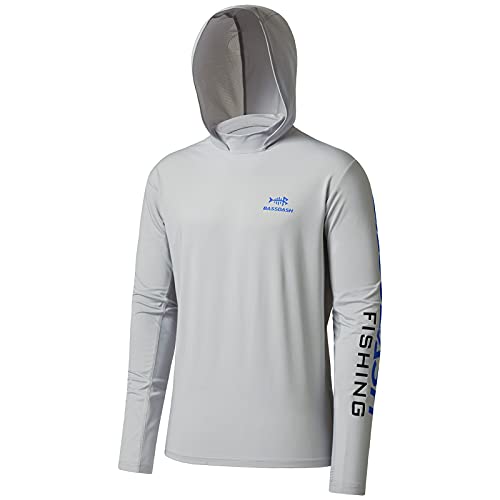
BASSDASH
Women's FS23W Mask Hoodie
Long sleeve · Listed UPF 50+
Details & considerationsView on Amazon ↗Learn how fishing shirt thumbholes affect sleeve position and hand coverage, how to check wrist tension, and when an ordinary cuff may suit you better.
Thumbholes let you anchor an extended sleeve around the thumb so fabric can remain farther over the back of the hand. They can help control sleeve movement, but they need enough sleeve length and comfortable placement. A thumbhole that pulls at the thumb or wrist is a fit problem, not something to tolerate for extra coverage. Check hand movement, rod grip and cuff tension in the exact shirt; a hooded design does not automatically include thumbholes.
As an Amazon Associate I earn from qualifying purchases. These links take you to Amazon, where purchases take place.
Examples for this guide. Check the exact garment and variation on Amazon.
Long sleeve · Listed UPF 50+
Details & considerationsView on Amazon ↗Long sleeve · Listed UPF 50+
Details & considerationsView on Amazon ↗Slide a thumb through a sleeve opening and the fit of the entire arm changes. The cuff now has an anchor. Fabric that previously moved toward the elbow may remain closer to the hand, but a short sleeve can also pull against the thumb. That is why a thumbhole should be evaluated as part of sleeve length and movement, rather than as a tiny extra feature that automatically improves a shirt.
The useful question is simple: can the sleeve stay where you want it without making your hand work around it? You should be able to hold familiar equipment, turn the wrist and reach forward comfortably. If the opening creates tension, buying a larger chest size may not be the right fix. The sleeve's proportions and the hole's location need attention.
A thumbhole provides a route for the thumb while some cuff fabric extends over the back of the hand. Different shirts use different opening shapes and sleeve extensions. Some also incorporate another retention detail. Simms describes its current Bugstopper SolarFlex Hoody as having extended sleeves, envelope thumbholes and a center finger loop. That is a particular design, not a definition of every fishing-shirt cuff.
The practical effect is control of fabric position. A normal cuff is free to move along the wrist. An anchored cuff has less freedom in that direction, so the amount of available sleeve length becomes more noticeable. This can be helpful when the sleeve otherwise rides up, provided the anchor does not pull uncomfortably during the movements you need.
Thumbholes can extend fabric over part of the hand, but they do not turn a shirt into full-finger gloves. Look at the actual edges while the hand is in use. The thumb, fingers, side of the hand and wrist may still have exposed areas. Do not infer continuous hand coverage from a product photograph showing a relaxed, carefully positioned arm.
The ARPANSA clothing guidance makes the relevant distinction: a UPF rating concerns skin covered by the garment, and factors including stretch and wetness can affect protection. The presence of a hole or longer cuff is therefore a design consideration separate from the shirt's rating. Inspect both without expecting either to answer the other question.
Coverage is also a matter of whether you can comfortably keep using the feature. If a cuff repeatedly gets pushed back because it interferes with grip, the extended sleeve is not serving its intended purpose in that task. A different cuff arrangement may work better. You do not have to force a thumbhole to suit every activity simply because it is included.
Product titles often emphasize the hood and leave sleeve details unclear. The BASSDASH women's FS23W hoodie is comparatively explicit: its listing title names thumbholes as well as a face mask. That makes it a relevant candidate for this feature, while still leaving fit and exact cuff construction to inspect in the selected version.
By contrast, the BASSDASH men's performance hoodie has a title that identifies its hood and long sleeves without establishing thumbholes. It is included here as an ordinary hooded comparison, not as a verified thumbhole recommendation. If the sleeve anchor is essential to your purchase, do not assume a different model includes it because a related one does.
The first two steps establish whether the sleeve already reaches the hand. If you must pull fabric down firmly just to use the opening, the anchor may be compensating for insufficient length. When the arms extend, notice where the tension begins: at the shoulder, elbow, wrist or thumb. That location helps distinguish a general mobility issue from a cuff that is simply placed badly for you.
For an explicit marketplace example, inspect the FS23W listing on Amazon. Look at cuff photographs and the selected size guidance alongside the feature title. A model wearing the sleeve neatly does not establish that the same position will suit your arm length. Use the measurements and the movement check together.
Hold a harmless object shaped like the grip you commonly use, or check the garment with equipment in an appropriate setting. Notice whether fabric gathers in the palm, rubs near the base of the thumb or restricts a comfortable wrist angle. You are not trying to assess catching performance. You are checking whether the sleeve makes a familiar hand position awkward.
Repeat the movement with the other hand. Fishing tasks may use the hands differently, and a cuff that feels unobtrusive on one side can be more noticeable on the other. Avoid adjusting your normal grip solely to accommodate a shirt feature. The garment should allow the movement, rather than teaching you to work around persistent pressure.
Also try reaching for a pocket or handling a larger zipper pull. A thumbhole may feel comfortable with the arm extended yet tug when the hand moves across the chest. That is a useful reason to test several ordinary motions. A sleeve should not be judged only in the exact position shown in a retailer's photograph.
| What you notice | Likely area to investigate | Useful next step |
|---|---|---|
| Pulling at the thumb before moving | Sleeve length or opening position | Compare another cut or sleeve proportion |
| Tension only when reaching forward | Arm and shoulder mobility | Repeat the movement with thumbs released |
| Fabric gathering in the palm | Cuff extension and shape | Check whether an ordinary cuff feels better |
| Opening rotates around the hand | Sleeve alignment or excess material | Let the shirt settle and reassess the cut |
These are diagnostic observations, not a guarantee that one size change will fix the issue. Releasing the thumb is particularly informative. If the discomfort disappears entirely, the cuff arrangement deserves scrutiny. If the upper arm remains restricted, the problem may involve the shirt more broadly. The general sizing guide covers chest, shoulder and hem checks.
Do not plan to stretch a new thumbhole aggressively until it feels right. The opening is part of the sleeve's construction, and forcing it can alter the fit or damage the edge. If its comfortable position is incompatible with your hand, another design is a more useful starting point than an improvised alteration.
A watch or another item at the wrist occupies some of the same space as an extended cuff. Put it on during the fitting check if you normally wear it. Look for bunching and whether you can access it without pulling hard on the hole. A sleeve that feels fine on a bare wrist may behave differently around another object.
If you use separate gloves, check how the edges meet. Do not assume the shirt's fabric will remain in a tidy overlap or that both anchors need to be used together. The aim is comfortable movement and the coverage you intended. Follow each garment's intended use, and avoid crowding the hand with fabric that interferes with handling equipment.
An outer sleeve can also change the situation. Put on the jacket you expect to use and reach forward again. The inner cuff should not be dragged into an uncomfortable position by the outer layer. This is one reason a sleeve check belongs to the complete outfit rather than a single shirt tried in isolation.
You may prefer the ability to move a sleeve freely above the wrist, particularly for tasks where fabric near the hand feels distracting. A thumbhole is optional utility, not a requirement for a legitimate fishing shirt. If a shirt allows comfortable use with the thumb released, that can provide flexibility. Check that the unused opening or extended cuff does not create another irritation.
Likewise, someone who already has a preferred hand-covering system may gain little from an additional anchor. Decide whether the sleeve feature adds anything to that system before paying for it. The wider hooded collection includes formats worth comparing, but hood and cuff choices remain separate decisions.
The Simms Bugstopper SolarFlex example is another candidate to verify against the current manufacturer's cuff description. Check the exact Simms listing on Amazon for version identity and fit information rather than extending the design to every SolarFlex garment. Different editions or names require their own confirmation.
Finish with the thumb engaged, then repeat the same reach with it released. Discomfort that disappears when released points toward the sleeve-anchor arrangement: length, opening position or the way the cuff rotates. Pulling that remains calls for a broader shoulder or upper-arm fit check. That result gives you a specific reason to compare another size or design. Use the feature guides for separate hood and mask questions; choose the cuff by what this hand-and-sleeve check reveals.
No. A hood and thumbholes are separate features. Confirm sleeve details on the exact model rather than assuming them from the category.
They should not create uncomfortable pulling. Compare sleeve length, opening position and shoulder movement; a larger chest size is not automatically the right correction.
Often the sleeve can be worn with the thumb released, but check how the extended cuff and opening sit on the particular design. Choose whichever arrangement permits comfortable movement.
Treat thumbholes as a sleeve-fitting decision. Start with sufficient length, then check the opening while reaching, gripping and moving across the body. The added fabric may extend coverage over part of the hand, but uncovered areas remain and the shirt's rating needs separate confirmation. Try the cuff with your watch, gloves and outer layer if those are part of your routine. An anchor that stays comfortable can be useful; one that pulls or gathers should not be tolerated simply to keep a feature. A normal cuff is a valid alternative when it works better for your movements.
Compare your shortlist or explore more features & design.
Revisit the first shirt on Amazon ↗Find a fishing shirt fit that works through the chest, shoulders, sleeves and hem, with a clear method for reading size charts and checking movement.
Read the field note →Compare Simms SolarFlex and Bugstopper hoodies by exact model identity, treatment evidence, hood fit, sleeve coverage, movement, and care requirements.
Read the field note →Choose between a fishing hoodie and crew neck by checking cap fit, neck coverage, casting movement and how each works with your other clothing.
Read the field note →Learn what makes a fishing shirt useful, how button-front shirts, crews and hoodies differ, and which details matter for your first purchase.
Read the field note →