What Is a Fishing Shirt? A Guide to the Main Designs
Learn what makes a fishing shirt useful, how button-front shirts, crews and hoodies differ, and which details matter for your first purchase.
Quick Answer
A fishing shirt is a top made or marketed for spending time fishing. It may be a pocketed button-front shirt, a lightweight performance crew, a sun hoodie or a casual fishing-themed tee. Useful designs address movement, coverage, moisture and small-item storage, but there is no single required feature set. A fishing label alone does not establish a UPF rating, water resistance or a particular fabric. Read the exact garment description before deciding what it does.
As an Amazon Associate I earn from qualifying purchases. These links take you to Amazon, where purchases take place.
Three relevant shirts to compare
Examples for this guide. Check the exact garment and variation on Amazon.


Men's Pursuit Vented Long Sleeve
Long sleeve · Listed UPF 30
Details & considerationsView on Amazon ↗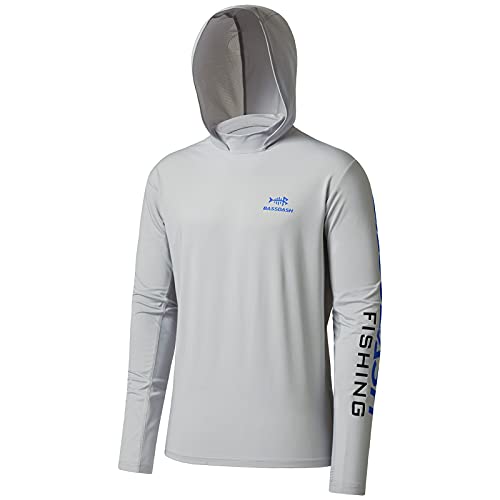
Men's Performance Fishing Hoodie
Long sleeve · Listed UPF 50+
Details & considerationsView on Amazon ↗In this field note
The phrase “fishing shirt” describes several very different garments. One has a collar, broad chest pockets and a loose back panel. Another looks like a sports tee with long sleeves. A third has a lightweight hood and no buttons at all. All can belong in the same store department, which is why shopping by the category name alone can be confusing.
The useful starting point is purpose. A fishing shirt should fit the way you spend time near the water: reaching, handling tackle, sitting, standing and changing layers. Some designs add specific tools for those tasks. Others offer a familiar everyday shape with a fishing graphic. Understanding the main forms helps you decide whether a listing is offering a functional difference or simply a style you enjoy.
Three practical forms, plus casual fishing tees
The button-front utility shirt
This is the collared design many people picture first. It may have flap pockets, a vented back, roll-up sleeve tabs and a small chest loop. The format gives you a front opening and somewhere to organize a few small items. Short- and long-sleeve versions can exist within the same named line, so check the exact version rather than assuming all photographs show the same shirt.
The Columbia Bonehead short-sleeve shirt is an example of that traditional utility shape. Columbia's current model description specifies cotton poplin, a relaxed cut and several chest pockets. It is a useful reminder that a fishing shirt is not automatically a synthetic athletic top. A cotton shirt can be designed for angling utility without being interchangeable with every sun-protection crew.
The performance crew
A crew removes the front opening and collar in favor of a pullover neckline. Compared with a busy utility shirt, it can offer a simpler front surface and fewer closures to manage. The practical appeal is often the feel and movement of the garment rather than storage. Some have mesh or other ventilation; others do not identify any separate vent construction.
The HUK Pursuit Vented long-sleeve example is listed as a crew-style fishing shirt with a +30 UPF claim in its marketplace title. That specific claim belongs to that listing. A newer garment with a similar family name may have different specifications, so the brand and line name are not enough to establish equivalence.
The lightweight fishing hoodie
Here, “hoodie” need not mean a thick sweatshirt. Fishing hoodies can be lightweight tops designed to cover more of the head and neck than a crew. The hood changes how the shirt works with a cap, how the neckline sits and what happens when you turn your head. Some examples also name a face panel or thumbholes, but those features are not implied by having a hood.
A BASSDASH performance fishing hoodie gives you a third format to compare. Its title identifies long sleeves, a hood and UPF 50+. Those details tell you more than the general word “performance,” while still leaving questions about fit and feel that should be checked separately. Browse the hooded collection if this shape is the one you want to investigate.
The fishing-themed everyday tee
A shirt may be called a fishing shirt because of its graphic or intended audience. There is nothing wrong with choosing a favorite fish illustration for everyday wear. The mistake is treating that name as evidence of technical functions the listing never states. An ordinary tee and a rated performance top can look similar in a small product image. Read the words that describe the garment, not just the artwork.
What makes the features relevant to fishing?
In its feature explainer for Take Me Fishing, AFTCO discusses sun coverage, drying, stain resistance and the distinction between performance and vented shirts. These are useful categories because an outing can involve both sustained exposure and wet, messy tasks. They are also separate functions. A shirt can do one well enough for your needs without including all of them.
| Feature you may see | Practical purpose | Question to ask |
|---|---|---|
| Chest pockets | Keep selected small items within reach | Can I use them with my other equipment on? |
| Back or side ventilation | Provide an opening or panel for air exchange | Will a bag or outer layer cover it? |
| Long sleeves or hood | Increase covered area | Does that coverage stay in place when I move? |
| Rod-holder detail | Assist a brief hands-free task | What does the manufacturer say this particular loop is for? |
| UPF number | Describe the stated UV performance | Does the claim match this exact garment? |
For a concrete utility example, inspect the Bonehead short-sleeve listing on Amazon. Look at pocket location and closure shape rather than counting every seam as a feature. The shirt may make sense because you want its collared form and accessible storage. That is a different reason from choosing a hooded top for its coverage.
Learn a few terms without treating them as promises
“Moisture-wicking” refers to moving moisture through or across a fabric, while “quick-dry” describes drying behavior. These ideas are related, but they are not identical. Neither phrase gives you a measured comparison with every other shirt. If a listing uses both, identify whether it explains the material or construction behind the claim. Our separate guides on wicking and drying explore those distinctions.
“Vented” may describe a fabric panel or an opening beneath a flap. The word does not tell you the vent's size, position or interaction with a pack. “Stain resistant” does not mean every mark will rinse away. “Water repellent” is not a substitute for a waterproof rain layer. You can use these terms to narrow the questions you ask without turning them into a checklist of guaranteed outcomes.
UPF deserves particular care because it is a rating rather than simply a descriptive adjective. The Skin Cancer Foundation explains that UPF concerns UV passing through fabric and that coverage and fit also matter. A number attached to a shirt does not extend protection to uncovered skin. For a fuller explanation, continue to how UPF clothing works.
A shirt can combine several roles
The main forms are not sealed categories. A button-front shirt can include technical fabric, and a hoodie can include storage. Use the format to understand its shape, then inspect individual functions. This prevents a useful hybrid from being overlooked simply because it does not match the first fishing shirt you pictured.
A fishing shirt is part of an outfit
A well-chosen shirt still needs to work with whatever you wear around it. A chest pocket can sit under a vest. A hood can bunch beneath a jacket collar. Sleeves can pull upward when your hands reach forward. These interactions are easier to identify by trying on the actual combination than by looking for another marketing term.
Consider a seated angler and a standing angler wearing the same model. The seated wearer may notice fabric gathering at the waist or a pocket pressing against another item. The standing wearer may care more about shoulder reach and where the hem sits during a cast. Neither experience establishes that the design is universally good or bad. It shows why an intended task is a better starting point than a popularity claim.
The shirt also does not replace equipment whose job is different. A fishing top should not be treated as flotation, a weatherproof shell or specialized workplace clothing merely because it is made for outdoor use. Choose it for the functions it actually specifies and the movement it permits. Let other garments and equipment handle their own roles.
How to make your first choice manageable
Pick a format before comparing dozens of nearly identical graphics. If you like a collar and reach for small tools frequently, begin with button-front shirts. If you prefer a simple torso without flaps, examine crews. If extra head and neck coverage is useful, compare hooded designs. This first decision removes many irrelevant listings without asking you to decide which brand is best.
Next, identify one frustration with the shirt you already wear. Perhaps sleeves ride up, the fabric feels unpleasant when damp, or you cannot access a pocket. Make that the first test for a replacement. Buying a garment because it addresses a known issue is more reliable than buying every available feature. The value guide helps decide whether an upgrade is worthwhile at all.
Finally, check the selected size, sleeve length and product title together. A search result can open a page with several versions. Make sure the shirt currently selected is the one you intended to compare. The BASSDASH fishing hoodie on Amazon is a relevant hooded example; its separate fit and variant choices still deserve attention before purchase.
Keep the useful details, skip the assumptions
You do not need to become a fabric specialist to understand this category. You need to recognize the main shapes, distinguish a stated feature from an inferred one, and check how a garment behaves during your movements. A fishing shirt earns its place when those details make the day more comfortable or convenient. It does not have to look like a professional tournament uniform to be appropriate.
For the next step, use the fishing-shirt feature guides to investigate the details that caught your attention. The strap, vents, pockets and coverage each have their own practical questions. Keeping those questions separate helps you choose deliberately and avoids expecting one label to answer everything about the garment.
Frequently asked questions
Is every fishing shirt a sun shirt?
No. Some are utility shirts or casual graphic tees without a stated UPF rating. Check the exact garment claim.
Why do fishing shirts sometimes have collars?
A collar is part of the button-front utility format. Its comfort, coverage and behavior in wind depend on the actual design.
Do you have to wear a fishing shirt to fish?
No. The point is to wear clothing suitable for the conditions and your movements. A purpose-built shirt is an option when its features solve a useful problem.
Final Verdict
Think of fishing shirts as a family of practical forms, not a single standardized garment. A collared utility shirt, a simple performance crew and a lightweight hoodie offer different ways to handle the same day near the water. Choose the shape you prefer, identify the features you will actually use, and verify any technical claims on the selected version. The most useful first purchase is usually the one that addresses a specific problem with your existing clothing. It need not carry every possible feature, and its fishing label should never substitute for checking fit and coverage.
Explore the matching collections
Take the next step
Compare your shortlist or explore more features & design.
Revisit the first shirt on Amazon ↗Related field notes
What Are Fishing Shirts Made Of?
Learn how fishing shirt fibers, knit or woven construction, stretch, and finishes work together—and which details to verify on the garment label.
Read the field note →How to Get Wrinkles Out of Fishing Shirts
Get wrinkles out of fishing shirts with label-safe drying, careful pressing, and travel packing tips for woven shirts, performance knits, and logos.
Read the field note →How to Remove Fish Blood Stains from Fishing Shirts
Remove fish blood from fishing shirts with cold-water first steps, fabric-safe pretreatment, and a check-before-drying routine for fresh or dried stains.
Read the field note →Should You Use Fabric Softener on Fishing Shirts?
Learn when to skip fabric softener on fishing shirts, how to interpret care instructions, and what to check after an accidental softener wash at home.
Read the field note →