Dark vs Light Fishing Shirts: Color and Comfort
Compare dark and light fishing shirt colors for practical comfort, visible stains, outfits, and documented UPF without guessing what fish see.
Quick Answer
The best fishing shirt color depends on the garment and how you use it. Light, medium, and dark shades offer different appearance and stain-visibility tradeoffs, but color alone cannot establish comfort or UPF. Compare the same model where possible, verify the selected color’s stated rating, and prioritize fit and coverage. Choose the shade you will keep wearing, without relying on unverified promises about catching more fish.
As an Amazon Associate I earn from qualifying purchases. These links take you to Amazon, where purchases take place.
Three relevant shirts to compare
Examples for this guide. Check the exact garment and variation on Amazon.

In this field note
- Compare colors within a model first
- Sun protection: read the rating beside the color
- What you want stains to look like
- White shirts and sunscreen marks
- Do fish care what color you wear?
- Coordinate with the rest of your gear
- Keep pattern choice separate from concealment claims
- A practical way to decide between two shades
Picture three shirts drying after the same outing: pale grey, dark charcoal, and a mottled blue print. One shows a spot on the cuff, another shows a pale mark across the chest, and the patterned shirt makes the marks harder to notice. That simple comparison captures one of color's most practical effects. It changes what you see, even when it does not tell you everything about what the fabric does.
Start with the actual annoyance you want to solve. Are you trying to avoid a color you dislike in bright sunlight, hide frequent cuff marks, match a uniform, or simplify a travel outfit? Each question can lead to a different choice. There is no need to crown one fishing color the winner across all of them.
Compare colors within a model first
If you compare a white woven button-front with a black stretchy hoodie, you are changing far more than color. Fabric, cut, sleeve arrangement, and ventilation may influence the experience. For a useful color decision, narrow the garment choice first and then examine its available shades. Where the selected variants differ in material or rating, record those differences explicitly.
This approach also makes online photographs easier to use. You can look at collar shape, seam placement, and pocket outline on the same design instead of comparing unrelated silhouettes. Images still vary with lighting and screens, so do not treat the displayed shade as a precise color sample. If matching existing clothing matters, allow for that uncertainty before ordering.
The buying guides can help settle the broader design choice first. For this article, the aim is a practical color decision after you have identified the kinds of shirts that suit your fishing routine.
Sun protection: read the rating beside the color
Color can affect a fabric's UV performance, alongside other material characteristics. ARPANSA includes color among the factors affecting UPF. That does not let a shopper assign a precise factor to every dark shirt or disqualify every pale shirt.
For a particular purchase, look for the claim attached to the selected model and variant. If a page says UPF 50+ and offers several shades, check whether the statement covers your selection. If the wording is ambiguous, ask. Do not create a numerical adjustment because one option looks darker, and do not replace an explicit lower rating with a higher rating from a different edition.
A shirt with no documented number remains an unknown, even if it is black. A pale shirt with a documented rating should be evaluated using that evidence, with attention to its fit and condition. Our UPF label checklist helps resolve those details without turning the color menu into a laboratory test.
Comfort requires more than a shade name
Dark and light are useful visual descriptions, but neither describes the entire wearing experience. A roomy shirt and a tight shirt place fabric differently against your body. A button-front can be configured differently from a crew, and a hood adds another wearing choice. If comfort is your concern, compare those features alongside the shade rather than crediting color for all of the differences.
Be especially careful with product reviews that compare unrelated garments. Someone may call a white shirt cooler while also changing material, size, sleeve length, and activity. That observation does not isolate color. You can still use comments to spot questions about fit or feel, but avoid presenting them as measured proof that one shade will be more comfortable for everyone.
What you want stains to look like
A fishing shirt does not need to appear spotless throughout a trip. It does need to suit your tolerance for visible marks. Hold the proposed color next to the types of equipment and clothing you use, and imagine the areas you most often touch: cuffs, chest pockets, hem, and collar. The placement of a mark can matter more than its size.
| Color approach | Practical reason to consider it | Tradeoff to inspect |
|---|---|---|
| White or very pale solid | Clean, simple appearance and easy outfit coordination | Contrast from dark smudges and collar discoloration |
| Mid-tone solid | A compromise when neither pale nor very dark appeals | Some light and dark marks may both remain visible |
| Deep solid | Useful if you prefer darker everyday clothing | Pale residue and lint may stand out |
| Print or heathered appearance | Visual variation may make small marks less obvious | Harder to inspect a subtle stain before drying |
These are appearance considerations, not stain-resistance ratings. A busy print does not stop a contaminant from reaching fabric, and a dark shade does not clean itself. If you frequently move straight from fishing to another activity, a spare shirt may do more for presentation than endlessly searching for a color that conceals every possible mark.
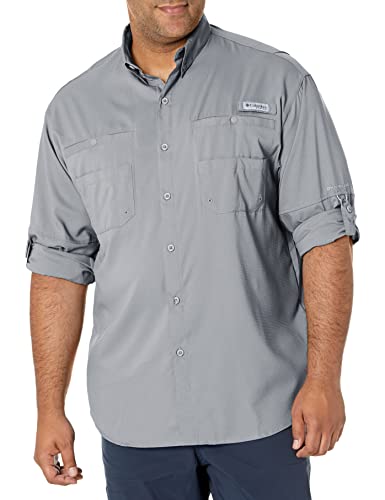
The Columbia Bonehead Short Sleeve listing is in Carbon, making it a dark-solid example to examine. Its title does not establish a numerical UPF rating. The Columbia Tamiami II Long Sleeve listing names Cool Grey and includes discontinued wording. Use those exact listing identities when comparing photographs and details.
You can inspect the Cool Grey Tamiami II listing on Amazon for a pale, collared reference. Its shade alone is no reason to infer the selected item has the same material or specifications as another Columbia shirt. Choose the design and verify the actual garment details before reducing the decision to light versus dark.
White shirts and sunscreen marks
If collar discoloration is your recurring problem, color may change how noticeable it is, but the care routine still matters. Inspect the neck and cuffs before laundering, and deal with marks according to the shirt and treatment labels. A white garment is not automatically bleach-safe, and a fishing shirt should not receive a stronger treatment merely because a stain contrasts with the background.
The sunscreen stain guide covers fresh marks, collars, and stains noticed after washing. Choose a color you are comfortable maintaining, rather than deciding that visible stains justify increasingly aggressive cleaning. Keeping a shirt wearable includes protecting its fabric, print, and fit as well as improving its appearance.
Do fish care what color you wear?
There is not enough evidence in this comparison to promise that a particular fishing shirt color will improve your catch. Fish species, water conditions, position, background, and movement make this a much broader question than a color recommendation can settle. Avoid buying a shirt on an unsupported claim that one shade makes an angler invisible.
If you prefer muted clothing near the bank, that preference can be a valid style choice without being presented as a proven fishing advantage. Similarly, a bright tournament jersey can serve a visual identity purpose without needing a claim about fish behavior. Keep the reason for the purchase honest and specific to what you can assess.
Look at large color blocks as well as small details. A shirt with dark sleeves and a pale torso may show wear differently at the cuffs than its overall photograph suggests. A printed front may still have a solid back or collar. Examine the areas you touch most instead of judging the whole garment from the dominant shade. This can reveal a useful compromise when you like a design but are trying to avoid a specific recurring appearance problem.
Coordinate with the rest of your gear
Lay out the shirt with your usual shorts or trousers, cap, and outer layer. A color that looks unusual on its own may work well in the full outfit. If you travel with one fishing top, test whether it also pairs with the clothes you wear to dinner or on the drive. That can be more useful than choosing a shade solely because it appears often in fishing advertisements.
For a group order, choose a color only after confirming the required garments and fit options. The same color name across brands may not mean the same appearance. If close matching matters, obtain appropriate samples or make one carefully reviewed purchase before expanding the order. Do not assume that a shared shade label guarantees a uniform result across different fabrics.
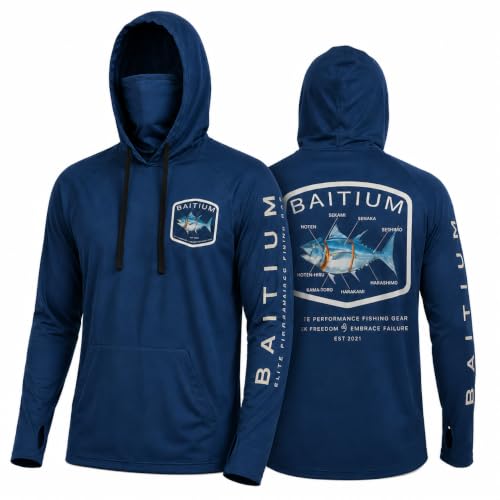
A hooded alternative is the Baitium Bluefin hoodie, whose listing title states UPF50. Consider whether its overall visual style and hood fit your routine. Our hooded shirt collection can help compare that silhouette; the color decision should follow, rather than obscure, the shape you want.
Keep pattern choice separate from concealment claims
The Realtree fishing-shirt selection includes Xtreme Camo and performance entries with several color descriptions. A pattern may be the appearance you prefer, but it does not establish that fish will notice you less or that catches will improve. Compare the selected garment’s own rating and sleeve details, then choose the pattern for a stated practical or personal reason. A camouflage name cannot settle the light-versus-dark comfort question by itself.
A practical way to decide between two shades
- Confirm that you are comparing the same garment and relevant specifications.
- Choose the coverage and fit you would actually keep wearing.
- List your two most common appearance problems, such as cuff marks or pale residue.
- Check each shade against your normal outfit and care routine.
- Choose the one that resolves more of your actual preferences, without inventing performance differences.
If the two options remain tied, personal preference is a sufficient tiebreaker. You do not need to manufacture a technical justification for liking blue more than grey. A shirt that fits, carries understandable information, and feels appropriate for the rest of your wardrobe has already passed the more consequential selection questions.
For a dark collared comparison, revisit the Carbon Bonehead listing on Amazon. Compare its appearance with the pale Tamiami example while remembering that these are different designs. If your underlying concern is a hot and humid outing, use the hot-weather fishing shirt guide to evaluate the full garment before making color the deciding factor.
Frequently asked questions
Is black always the most protective fishing shirt color?
Color can influence UPF, but it does not establish an exact rating by itself. Use a documented claim for the selected garment rather than assigning protection from its dark appearance.
Which color hides every fishing stain?
No color reliably hides all marks. Pale fabrics can show dark smudges, while dark fabrics can show light residue. Choose for the marks you commonly encounter and inspect before drying.
Will a camouflage shirt help me catch more fish?
This comparison does not establish a catch advantage from camouflage or any other shirt color. Choose the design for your preferences and practical use without relying on an unverified fish-visibility claim.
Final Verdict
Choose fishing shirt color after you have settled fit, coverage, and the model’s documented features. Pale, dark, and patterned options create different appearance tradeoffs, especially around collars and cuffs, but none guarantees comfort, stain resistance, or better fishing results. Compare colors within the same model when possible and check that the selected variant carries the claim you are relying on. When performance evidence and fit are equal, the shade that works with your clothing and care habits is a reasonable choice. Personal preference can finish the decision without being disguised as a technical advantage.
Explore the matching collections
Take the next step
Compare your shortlist or explore more buying & comparisons.
Revisit the first shirt on Amazon ↗Related field notes
How to Get Fish Smell Out of Fishing Clothes
Remove fish smell from fishing clothes with a targeted routine for residue, pockets, washing, repeat odors, and clean storage after the trip.
Read the field note →How to Wash Fishing Shirts and UPF Clothing
Wash fishing shirts and UPF clothing with a label-first routine for stains, fasteners, detergent, rinsing, and drying across different fabrics.
Read the field note →Do Fishing Shirts Shrink?
Do fishing shirts shrink? Learn how to check a fit change, compare garment measurements, read care limits, and avoid using heat to resize shirts.
Read the field note →Can You Put Fishing Shirts in the Dryer?
Can fishing shirts go in the dryer? Follow a practical drying decision guide for care labels, damp hoods, prints, travel, and unfinished stains.
Read the field note →