Do Fishing Shirts Shrink?
Do fishing shirts shrink? Learn how to check a fit change, compare garment measurements, read care limits, and avoid using heat to resize shirts.
Quick Answer
Fishing shirts can change size or shape, but the risk and result depend on the specific fabric, construction, and care. Cotton and synthetic designs should not be given one universal shrinkage prediction. Follow the actual label, avoid unsupported heat experiments, and compare the shirt’s relaxed dimensions before and after care if fit is a concern. Do not buy an oversized garment expecting a dryer to resize it evenly.
As an Amazon Associate I earn from qualifying purchases. These links take you to Amazon, where purchases take place.
Three relevant shirts to compare
Examples for this guide. Check the exact garment and variation on Amazon.

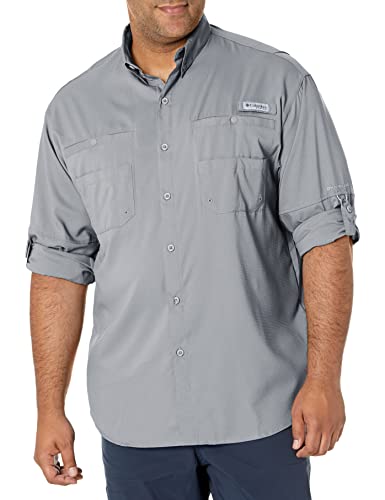
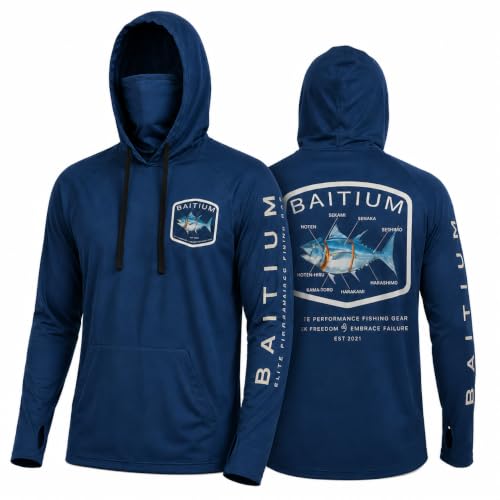
In this field note
The cuff seems shorter, the hem sits higher, or a button now pulls across your chest. It is tempting to conclude that the whole shirt shrank by one size. Before deciding what to do, separate the observation from the explanation. A fit change can be local or uneven, and a size label is not a measurement of the garment in front of you.
Check what changed before trying to fix it
Let the shirt reach the normal dry condition in which you wear it. Lay it on a flat surface without stretching, smooth ordinary folds gently, and compare it with any earlier measurements or photographs. If you have no record, note the current dimensions now rather than guessing at the amount of change. A useful baseline starts whenever you first document it.
Compare the specific area that bothers you. If only the sleeves seem shorter, inspect sleeve length and the way the shoulder seam sits. If the body feels tight, compare the torso and the placket or side seams. If the hem looks uneven, check whether it is folded or twisted before calling the whole garment smaller. These distinctions guide the next question.
Try it with the same type of underlayer you normally use. A different base layer or changed wearing position can alter the impression of fit. This does not rule out shrinkage; it avoids blaming every difference on the wash. Our care guide hub covers maintenance, while the sizing guide addresses choosing the cut in the first place.
Why the fishing label cannot predict shrinkage
Fishing shirts include cotton woven styles, synthetic performance knits, blends, and garments with different trims. A shared activity label does not describe their dimensional behavior. Even knowing the main fiber leaves construction and finishing unresolved. Avoid an exact shrinkage percentage unless reliable evidence exists for that particular garment under specified conditions.
The manufacturer's current Bonehead Short Sleeve page identifies cotton, while its Tamiami II Long Sleeve page identifies polyester. Those examples establish that familiar fishing shirts can use different materials. They do not establish a measured shrinkage comparison between the two marketplace items.
The Bonehead Short Sleeve listing and Tamiami II Long Sleeve listing are therefore examples to investigate through their own labels. The Tamiami listing includes discontinued wording, so confirm which edition you receive. Do not transfer a current page's full care instructions without checking the match.
Polyester is not a permission slip for high heat
A synthetic fiber description does not mean you can disregard temperature limits. A shirt is an assembled garment, with seams, prints, and possibly other materials that may have their own restrictions. Read the label as instructions for the whole item. If a dryer setting is prohibited, the fact that the main fabric is synthetic does not override it.
Likewise, a cotton description is not a command to buy a larger size. Prepurchase fit should be based on the matching size information and intended cut. If the manufacturer publishes specific care or dimensional guidance, use it. Otherwise, leave the outcome uncertain rather than making the purchase depend on an imagined amount of shrinkage.
Use a consistent measuring method
For a shirt you want to monitor, choose a few repeatable points: across the torso, from a consistent shoulder or neck reference to the hem, and along the sleeve using the same landmarks each time. Record how you measured as well as the result. The exact method matters less than applying it consistently without pulling the fabric taut.
Photograph the laid-flat shirt with the measuring tape in place if helpful. Keep the surface, garment condition, and fastening arrangement consistent. A button-front measured open is not directly comparable with one measured closed, and a stretched knit measurement can create an apparent change that disappears when the fabric relaxes.
| Observation | Compare | Avoid concluding too soon |
|---|---|---|
| Hem seems higher | Length from the same reference point | That every dimension changed equally |
| Sleeves seem short | Sleeve and shoulder position | That the tag size changed by one full size |
| Buttons pull | Torso width and normal underlayer | That extra heat will improve the fit |
| One side hangs oddly | Seams, folds, and garment alignment | That a uniform resizing method exists |
This record helps with a manufacturer inquiry if a change occurs after following the care instructions. Include the exact model and care sequence. A clear description of the observed difference is more useful than saying the shirt became tiny, particularly when only one area has changed.
Inspect the Bonehead Short Sleeve listing on Amazon if you are comparing a cotton-style candidate. Its actual delivered measurements and care label are the relevant baseline. Do not use the seller's size name as if it were a guarantee that every dimension will match another brand's shirt.
Prevent avoidable care experiments
Read washing and drying instructions separately before the first load. A shirt that allows machine washing may still require a particular drying method or heat limit. Check print and trim restrictions too. Columbia's general product-care advice recommends reducing drying heat; the individual label supplies the model-specific limits.
If multiple people handle the laundry, keep a short note with the garment's permitted routine. Distinguish it from ordinary tees if necessary. A vague instruction to be careful is easy to overlook, while a readable care-tag photograph makes the intended settings concrete. The goal is repeatable care, not a complicated ritual.
Do not mix a shirt into a load whose required settings conflict with its own. The most heavily soiled item should not dictate an unsuitable temperature for every garment beside it. Treat a stain locally when an appropriate product allows it, then wash the shirt within its limits. Our washing guide covers the complete sequence.
What to do when using unfamiliar laundry equipment
On a trip, inspect the available settings before loading the machine. Do not assume that a familiar cycle name means the same options on every appliance. If you cannot identify a permitted dryer setting, use another allowed drying method. Planning enough time for that alternative is easier than choosing an uncertain high-heat cycle just before checkout.
Keep the shirt's care photo on your phone for this situation. It can also help explain instructions to a laundry service. Ask what process will be used if the garment has restrictions; the word performance on the label is too vague to communicate them. A service's standard routine may need a different garment choice or arrangement.
Keep the first-care record for a new replacement even if the previous shirt behaved well. A similarly named model can have a revised cut, and the size you remember may belong to a different edition. Try the new garment in its original state, record any important dimensions, and read its label afresh. This prevents an old experience from becoming a promise about a new item. It also gives you a fairer comparison if the replacement feels different before any laundering has occurred.
Can a shrunken shirt be restored?
There is no guaranteed universal home method to return every fishing shirt to its original dimensions. Avoid forcing a wet garment over a form, hanging weights from it, or repeatedly stretching seams in the hope of an even result. Those actions introduce new stresses and can leave the shirt distorted. Seek model-specific advice before attempting an intervention.
If the care label permits gentle reshaping during drying, follow that instruction within its stated scope. Reshaping is not the same as promising to undo a permanent dimensional change. Inspect seams and prints afterward, and judge whether the shirt still fits comfortably in motion. The aim is a usable garment rather than an exact number recovered at any cost.
If it no longer fits, consider whether it can serve another ordinary purpose or whether replacement is needed. Do not rely on a garment stretched tightly over your body simply because the original tag carried UPF. A fit decision and a rating decision are connected through actual use, and forcing the wrong size is a poor way to resolve either.
Do not use the dryer as a tailoring tool
Buying an oversized shirt and planning to shrink it creates several unanswered questions. Which dimensions will change, by how much, and will seams or graphics respond differently? A household cycle does not target sleeve length while preserving chest room. A better-fitting model or a suitable alteration, where appropriate, is a more deliberate route to fit.
The Baitium Bluefin hoodie identifies recycled polyester in its listing title. That does not establish a safe heat-resizing process. If the hoodie format appeals, compare the hooded collection for a cut that fits from the start instead of selecting one on an unverified shrink-to-fit plan.
For another design reference, see the Tamiami II Long Sleeve listing on Amazon. Confirm the chosen item's size and care information, then evaluate its original fit with your normal fishing motions. The dryer decision guide can help maintain that fit once the garment is yours.
When replacing an older shirt, bring forward the lessons from your measurements: perhaps you need more sleeve length, a different shoulder cut, or extra torso room. Do not simply order a larger tag size and hope care will settle it. A recorded fit problem can guide a more precise next purchase.
Frequently asked questions
How much will a cotton fishing shirt shrink?
No reliable universal percentage applies to every cotton fishing shirt. Construction, finishing, and care differ. Use model-specific guidance and compare your own garment consistently if dimensional change is a concern.
Can I shrink a polyester fishing shirt to fit?
Do not depend on heat to resize it. The result may be uneven, and care limits apply to the entire garment, including seams and prints. Choose an appropriate cut or seek suitable alteration advice.
My sleeves seem shorter after washing. What should I check?
Compare the relaxed dry sleeve using the same measurement landmarks, and inspect shoulder position and the rest of the fit. Record the care sequence before asking the manufacturer about the change.
Final Verdict
Fishing shirts do not share one predictable shrinkage result. Start with the exact garment’s care instructions and choose a fit that works before laundering. If a change occurs, measure the affected areas consistently and document the process instead of guessing that the whole shirt lost a size. Avoid using high heat as a tailoring method or stretching a tight garment aggressively to recover its shape. A clear baseline, compatible washing and drying, and a model-specific inquiry when needed provide a more useful approach than universal percentages or promises that synthetic fabric cannot change.
Explore the matching collections
Take the next step
Compare your shortlist or explore more care & durability.
Revisit the first shirt on Amazon ↗Related field notes
How to Wash Fishing Shirts and UPF Clothing
Wash fishing shirts and UPF clothing with a label-first routine for stains, fasteners, detergent, rinsing, and drying across different fabrics.
Read the field note →How to Get Wrinkles Out of Fishing Shirts
Get wrinkles out of fishing shirts with label-safe drying, careful pressing, and travel packing tips for woven shirts, performance knits, and logos.
Read the field note →How to Remove Fish Blood Stains from Fishing Shirts
Remove fish blood from fishing shirts with cold-water first steps, fabric-safe pretreatment, and a check-before-drying routine for fresh or dried stains.
Read the field note →Should You Use Fabric Softener on Fishing Shirts?
Learn when to skip fabric softener on fishing shirts, how to interpret care instructions, and what to check after an accidental softener wash at home.
Read the field note →