Packing Fishing Shirts for a Multi-Day Trip
Work out how many fishing shirts to pack using outing days, laundry access, rewear preferences, drying uncertainty, and a compact clean-and-worn system.
Quick Answer
Pack fishing shirts by the number of fishing days between reliable laundry opportunities, then add a realistic contingency for a wet or dirty garment. Decide which shirt travels, which fishes, and whether one can cover both roles. Rewear is a personal comfort decision; a quick-dry or odor-control claim does not guarantee next-day readiness. Keep clean shirts separate from worn ones and leave the next shirt accessible rather than compressing everything into one bundle.
As an Amazon Associate I earn from qualifying purchases. These links take you to Amazon, where purchases take place.
Three relevant shirts to compare
Examples for this guide. Check the exact garment and variation on Amazon.


In this field note
You do not need one new fishing shirt for every date on an itinerary, and you should not assume that two shirts can serve every week-long trip. The useful number sits between those extremes and depends on what happens between wears. A reliable laundry stop changes the calculation. So do long transfers, damp accommodation, messy fishing, and your own preference for putting on a fresh garment. Write down those constraints first. Packing becomes much easier when each shirt has a named role and a plausible path back to being ready to wear.
Count intervals, not just nights away
Divide the trip at the points where you can actually wash and dry clothing. A hotel that lists laundry facilities is helpful only if your schedule allows time to use them. An overnight stop after a late arrival may provide less opportunity than its amenities suggest. Count the fishing days before the next dependable laundry window, then decide how many of those days you are comfortable covering through rewear. Treat that as a preference-based plan, not a hygiene rule. There is no universal wear count that makes every shirt acceptable or unacceptable.
For example, imagine three fishing days with no planned laundry. If you want a fresh shirt each morning, start with three fishing shirts and consider whether a separate travel shirt is needed. If you are willing to rewear a clean-feeling garment, two fishing shirts plus an appropriate travel option may suit you. Those are examples of different preferences, not guaranteed minimums. A shirt that becomes heavily soiled or stays damp can end the planned rotation early. Your contingency should address that possibility rather than merely copying someone else's packing list.
A longer trip with one dependable wash stop can be treated as two shorter intervals. Pack for the more demanding interval rather than automatically multiplying your entire wardrobe by the trip length. Then look at what happens on laundry day: do you need something clean to wear while the fishing shirts are being washed? A separate casual shirt may already fill that role. If you plan to wear the only spare during the wash, make sure the next fishing shirt can realistically be ready afterward. Small timing details often matter more than a claim of technical fabric performance.
Make a shirt ledger
Create a short note with one line per garment: travel, primary fishing, alternate fishing, or contingency. Add a likely wash opportunity and the next planned wear. If two garments have identical roles, ask whether both are justified by your preferences or whether one is simply habit. If a shirt has no realistic use, leave it out. This is especially useful when a trip includes several modes of transport. You can see whether the spare you need after fishing will be in your day bag, main luggage, or somewhere temporarily inaccessible.
Choose a rotation with different jobs
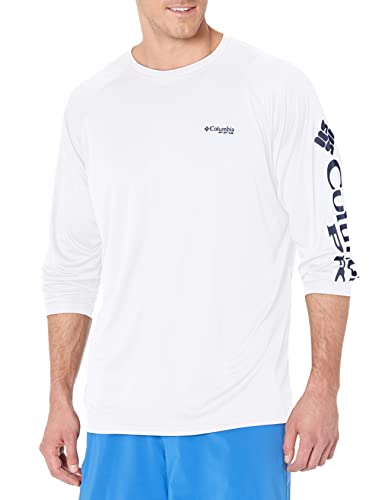
A plain long-sleeve crew can be convenient beneath other layers and may fit easily into a simple rotation. The Columbia Terminal Tackle long-sleeve example shows that basic format without requiring you to commit to pockets or a hood. Its listing title alone does not establish a drying timetable. Decide whether that format works with the jackets and headwear you already plan to bring. A shirt that needs extra accessories you were not otherwise packing may save less space overall than it appears to save in isolation.
A button-front can serve a travel or casual role if you like its appearance with the rest of your clothes. The Columbia Bonehead short-sleeve example is a useful alternative when you prefer a collared shirt. Columbia's current Bonehead description identifies cotton poplin and a relaxed, intentionally roomy fit. Choose it for a role that suits those properties and your care opportunities, not because all fishing shirts are interchangeable. A travel shirt only earns its place as a fishing backup if you would actually be comfortable fishing in it.
Avoid the invisible extra outfit
Sometimes the bulkiest packing mistake is not an extra shirt but the additional clothing brought to match it. A patterned jersey that only works with one pair of shorts can quietly create an extra outfit. Before including it, lay it beside the bottoms and outer layers already selected. If the combinations feel usable, the shirt can participate in the rotation. If not, decide whether that distinct look is worth the space. This is a styling and packing choice; there is no need to purchase a new coordinated wardrobe to travel with fishing clothing.
Treat drying as an opportunity, not a promise
A quick-drying claim can help you identify products worth considering, but it cannot tell you whether a shirt washed late at night will be dry by departure. Air movement, how much water remains, hanging space, and the garment's construction all affect the practical result. A shared bathroom with nowhere to hang clothing is a different setup from an airy room with a suitable drying area. Plan the wash early enough to check progress. If drying fails, have a way to transport the damp garment separately and continue the trip in another shirt.
Consult the exact care label before relying on a sink wash or dryer. Columbia's fishing cleanup advice discusses cold-water cleaning and hanging garments to dry, while its general product-care guidance emphasizes appropriate care and clean, dry storage. Neither overrides the label on a treated or decorated garment. If your planned accommodation requires a care method the shirt does not permit, change the laundry plan or select a different shirt. A compact bag is less useful if maintaining its contents becomes a daily obstacle.
For a concrete collared travel reference, review the Bonehead short-sleeve Amazon listing and compare it with the exact label before departure. Learning the care instructions at home gives you time to decide whether the garment belongs in your limited rotation. Do the same for each technical shirt, especially where graphics or treatments are involved. Avoid packing a product for its assumed laundering convenience based only on the word fishing. Different models within the same brand can have materially different instructions.
Decide on rewear when the shirt is in front of you
At the end of a fishing day, assess the garment rather than automatically returning it to the clean pile. Is it dry enough to wear comfortably? Is it visibly soiled? Does it have an odor you find unacceptable? Was it exposed to something that needs cleaning according to its label? These questions help you choose between rewear, laundering, or setting it aside. They do not create a universal sanitation test. Antimicrobial or odor-control descriptions, where verified, should not become permission to ignore the garment's actual condition.
If rewear is likely, give the shirt a suitable place to air and dry according to its care instructions before deciding. Keep it distinct from both freshly clean clothing and items definitely awaiting laundry. A simple three-part organization can be enough: clean, potentially wearable, and wash. You do not need special organizers if existing bags or compartments perform those jobs. Labeling is helpful when several people share luggage. The goal is to avoid pulling out a damp shirt in the morning because it was folded neatly and mistaken for a clean one.
Keep fishing contamination out of the travel outfit
A shirt used around bait, fish handling, or wet gear may be a poor choice for the drive or flight even if it remains physically wearable. Assign a clean travel garment if that transition matters to you. Do not wrap used tackle in the contingency shirt or put it beneath leaking containers. Protecting the backup preserves the reason you packed it. When the outing ends, separate worn clothing for transport and unpack it at the next appropriate opportunity. Extended compression of a damp garment is a storage problem that a nicer packing cube does not solve.
Pack compactly without losing access
Fold or roll according to the garment's structure and what fits your bag; neither technique is a universal winner. A collared shirt may be easier to arrange so its collar is not crushed beneath heavy items. A soft crew may fit conveniently around the edges of a compartment. Keep frequently used shirts together, but place the next change where you can reach it without unpacking everything. If the main bag is checked or stored away during a transfer, keep the garment needed on arrival with the luggage you will actually have.
Compression helps organize volume, but do not let it hide how many shirts you are carrying. Lay everything out before packing and reconcile it with your ledger. Remove duplicates that lack a role, then leave enough room for the less tidy return journey. Clothes rarely go home arranged as carefully as they left, and worn items need separate space. If wrinkles are the remaining concern, use the wrinkle-removal guide for care-safe treatment. This packing plan focuses on quantity and access, so avoid introducing an unverified ironing method just to make a shirt fit the travel schedule.
Make one final contingency choice
Decide what problem your spare solves. If the likely issue is a wet fishing shirt, a protected fishing-compatible spare is useful. If it is a dirty ride home, a clean casual shirt may be enough. A hooded option such as the men's Pelagic Aquatek Hoodie on Amazon may suit a rotation where optional hood coverage matters; confirm the exact selected listing and label rather than borrowing specifications from another Aquatek edition. Compare the long-sleeve collection only after defining the missing role, so the shopping decision stays tied to the packing problem.
Before closing the bag, check the next laundry window, the clean travel shirt, and the location of the first change you will need. Those three checks catch most planning gaps without turning packing into a spreadsheet project. For a broader outfit context, visit the on-the-water guides. Your target is a small, understandable rotation: enough shirts for the interval you actually face, a workable care plan, and a contingency that remains available when conditions disrupt the schedule.
Frequently asked questions
How many fishing shirts should I pack for three days?
Start with your fresh-shirt preference and laundry access. Three fishing shirts suit someone wanting a clean garment each day without washing; a smaller rotation may work if rewear is acceptable. Add a contingency only after deciding what exposure or travel problem it needs to solve.
Can I wash one quick-dry shirt every night?
Only plan that way if the label permits your washing method and you have dependable drying conditions. Quick-dry wording does not guarantee overnight readiness. A backup avoids making the whole itinerary depend on one garment drying in time.
Should clean and reworn shirts share a packing cube?
Keep their status clear, whether through separate compartments, bags, or a simple divider. Damp or soiled shirts should not be placed among clean clothing. Unpack and care for worn garments at the next suitable opportunity.
Final Verdict
Build your packing count around reliable laundry intervals and your own rewear preferences. Give every shirt a role, check the exact care label before relying on travel washing, and leave room for a garment that stays wet or becomes too dirty to reuse. A clean travel option may serve as a backup, but only if it is suitable for the fishing you plan. Keep the next change accessible and distinguish clean, potentially reusable, and laundry-bound clothing. That approach produces a compact rotation you can manage throughout the trip instead of a deceptively small bag with no margin when the schedule changes.
Explore the matching collections
Take the next step
Compare your shortlist or explore more on the water.
Revisit the first shirt on Amazon ↗Related field notes
How to Get Wrinkles Out of Fishing Shirts
Get wrinkles out of fishing shirts with label-safe drying, careful pressing, and travel packing tips for woven shirts, performance knits, and logos.
Read the field note →How to Remove Fish Blood Stains from Fishing Shirts
Remove fish blood from fishing shirts with cold-water first steps, fabric-safe pretreatment, and a check-before-drying routine for fresh or dried stains.
Read the field note →Can You Wear Fishing Shirts Casually?
Wear fishing shirts casually with clothes you already own: compare crews, polos, hoodies, and button-fronts, then adjust fit, color, and proportions.
Read the field note →Columbia vs Huk Fishing Shirts: Compare the Shape Before the Logo
Compare Columbia and Huk fishing shirts across crews, hoodies and button-fronts, with clear guidance on fit, version differences and useful features.
Read the field note →