Fishing Shirts vs Hiking Shirts: Choose for the Whole Day
Compare fishing and hiking shirts by pack comfort, pocket access, coverage and movement, with a practical way to choose one shirt for both activities.
Quick Answer
A fishing shirt can work well for hiking, and a hiking shirt can work well beside the water. The useful differences are where the seams, pockets and ventilation sit, how the shirt moves under your equipment, and what coverage it provides. Choose around the more demanding part of your day: repeated casting with accessible tools, or walking under a loaded pack. Neither activity label guarantees a particular fabric, UPF rating or fit.
As an Amazon Associate I earn from qualifying purchases. These links take you to Amazon, where purchases take place.
Three relevant shirts to compare
Examples for this guide. Check the exact garment and variation on Amazon.

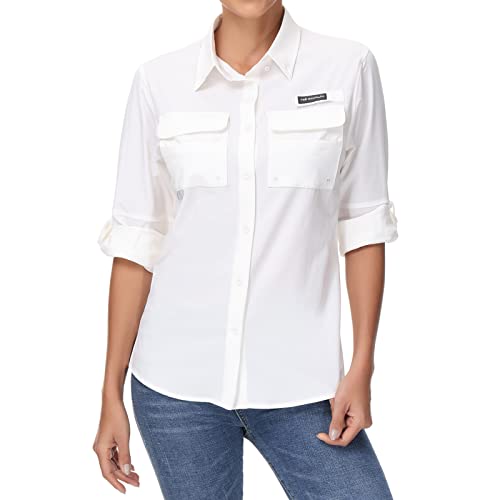
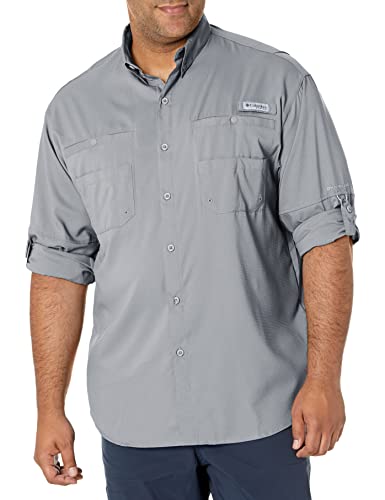
In this field note
- The categories overlap more than their names suggest
- Identify the equipment the shirt must live under
- Fishing utility is useful only when you can reach it
- Airflow changes when your back is covered
- Coverage deserves its own decision
- Use a short crossover fitting session
- Account for the change from walking to waiting
- Look at crossover lines as individual garments
- Choose for the limiting activity
A trail that ends at a fishing spot creates an awkward shopping question: do you dress for the walk or for the time spent casting? Usually you can do both with one shirt. The difficulty is choosing which details deserve priority. A chest pocket that is convenient beside a stream may sit directly beneath a pack strap. A roomy back that feels pleasant while standing still may bunch when you shoulder that pack. Those interactions matter more than the word printed beside the garment online.
Start by describing the actual journey. A short stroll from a parking area and several hours fishing puts different demands on clothing than a steep approach with tackle, water and spare layers. Neither scenario calls for buying two shirts automatically. It calls for checking the same garment in both positions before deciding that it is a useful crossover piece.
The categories overlap more than their names suggest
Fishing apparel includes collared utility shirts, performance crews, hoodies and ordinary graphic tees. Hiking apparel also contains several constructions. A comparison that assumes every fishing shirt is a loose button-down and every hiking shirt is a fitted synthetic tee starts with the wrong candidates. First match the formats. Compare a collared fishing model with a collared hiking model, or compare lightweight hooded tops with each other.
The marketplace titles illustrate that overlap. The Wrangler ATG Hike to Fish shirt explicitly names both activities, while the BASSDASH FS21W button-down is listed for fishing and hiking. Those names make them relevant candidates, but they do not tell you whether a particular shoulder seam agrees with your pack. Treat the activity description as an invitation to examine the garment, rather than the result of that examination.
Identify the equipment the shirt must live under
Lay out your pack, any chest or sling bag, and the layer you expect to put on when the weather changes. Note where each strap touches the torso. You are looking for occupied areas: the strip beneath a shoulder strap, the path of a sternum strap, the waistband of a hipbelt and the panel pressed against your back. Fabric details in those places deserve close inspection.
For a walking-heavy day, put a familiar lightweight item in each pocket you expect to use and shoulder your normally packed bag. Do the closures become difficult to reach? Does a pocket flap fold underneath a strap? Can you slide your hand into the pocket without moving the pack? A design can be well made and still be inconvenient for this combination of equipment. Moving the item to a pack pocket may solve the problem without changing shirts.
| Part of the day | Useful shirt check | Reason to reconsider |
|---|---|---|
| Walking with a pack | Shoulder seams and loaded pocket placement | Persistent rubbing or a hard closure under a strap |
| Casting without a pack | Reach across the body and overhead | Cuffs pull hard or the hem rises excessively |
| Stopping in an exposed place | Neck, sleeve and torso coverage | The garment leaves gaps you expected it to cover |
| Adding another layer | Hood, collar and sleeve bulk | Fabric jams or bunches at closures |
Fishing utility is useful only when you can reach it
Some purpose-built fishing shirts add rod-holder loops and pockets intended for small tackle. For example, Columbia's current Tamiami II long-sleeve description identifies those utility features. If your fishing is mostly stationary and your bag comes off when you arrive, accessible chest storage may be an advantage. If the pack remains on throughout, the same storage may sit unused.
Think through a single routine: you put down your walking poles, take out a tackle item, adjust the line and resume casting. Where does each item go? You do not need a dedicated shirt pocket for everything. A small number of reachable compartments can work better than a busy arrangement that competes with bag straps. Our pocket-layout guide goes further into that decision without assuming that more pockets are better.
To inspect a model marketed specifically for the crossover, open the Wrangler Hike to Fish listing on Amazon. Examine the front and back views and the selected version before using its name as a shortcut. A product photograph without a backpack is helpful for seeing construction, but it cannot resolve how that construction will sit beneath your own equipment.
Airflow changes when your back is covered
A vent needs an opportunity for air exchange. On a shirt with a covered back opening, the position of the pack can matter as much as the presence of the vent. If a pack presses against that area, do not assume you will get the same experience as an angler standing in a breeze without a bag. This is a practical placement issue, not evidence that all back vents are ineffective on a trail.
Compare where the fabric can remain unobstructed: side panels, areas below the pack and sleeves may still behave differently from the covered back. Also notice how the shirt settles when the pack comes off. A fabric that is tolerable while moving can feel different during a long stationary stop. There is no need to invent a temperature advantage to compare those experiences. Check the construction, fit and your own tolerance for damp fabric against skin.
If the main problem is choosing a shirt for a hot, humid trip, use the more focused hot-weather selection guide. Here, the important distinction is that walking and fishing place equipment over different parts of the shirt. The same ventilation feature can therefore have different practical value during two stages of one outing.
Coverage deserves its own decision
Neither “hiking” nor “fishing” proves that a shirt has a tested UPF rating. Read the selected garment's claim. The ARPANSA clothing guidance also emphasizes that protection concerns covered skin and can be reduced by stretch, wetness and wear. That makes fit and coverage relevant even after you have compared the numbers on two labels.
Check what happens when your arms move forward to hold poles and when they extend into a cast. A sleeve that looks long enough at rest may move above the wrist. A hood that stays settled while walking may feel restrictive when you turn to follow the line. You can compare these actions indoors without needing to prove anything about UV performance. The task is to find unintended gaps and restrictive tension before a trip.
Use a short crossover fitting session
- Put on the shirt with the underlayer you actually expect to wear.
- Wear your loaded pack and adjust its straps normally.
- Walk, reach for a bottle and lean forward as though stepping uphill.
- Remove the pack and repeat your usual casting and tackle-reaching movements.
- Add your outer layer and check the neckline, cuffs and front closure.
Give each problem a location rather than a vague score. “Tight at the back when reaching forward” is useful; “not comfortable” is much harder to act on. If the sleeves and hem are too short while the chest feels right, a different proportion may be needed. If fabric bunches everywhere, more room is unlikely to fix it. The general fishing-shirt fit guide helps separate length, width and movement issues.
Do the checks with realistic pocket contents, but avoid filling the shirt merely to test its capacity. A shirt is not a replacement for carrying equipment appropriately in a bag. Hard objects pressing against the torso can make an otherwise suitable garment feel wrong, and removing them may immediately change your assessment. Before rejecting the shirt, distinguish a construction problem from a storage choice.
Account for the change from walking to waiting
A mixed outing includes a transition that a single activity label cannot capture: you stop walking and begin spending longer in one place. Decide where a removed layer will go and whether the shirt remains comfortable when the pack is off. If you carry a spare top, that is a packing choice rather than evidence that the original shirt was wrong. A crossover garment should make the transition straightforward, but it does not eliminate the need to consider the forecast, the length of the stop and the other layers in your bag.
Look at crossover lines as individual garments
The Eddie Bauer collection places Woven Tech and Guide 2.0 short-sleeve entries beside a rash-guard option. Those shapes offer a useful starting comparison when you move between trail and water. The Under Armour shirt lineup includes Fish Pro Hybrid Woven and a separately named Iso-Chill Freedom Hook long sleeve. Use the actual front opening, sleeve and chart when comparing them; the brand alone does not decide which works under your pack.
Choose for the limiting activity
If the approach walk is brief, pocket access and comfortable casting may deserve the larger share of attention. If most of the day is spent climbing with a pack, prioritize strap compatibility and a fit that remains comfortable during repeated forward movement. For roughly equal time, choose the model that passes both checks with the fewest compromises. You do not have to maximize every fishing-specific feature to get a successful fishing shirt.
A collared option from the button-front collection is a sensible place to look when you want accessible closures and a familiar shirt shape. A performance top may suit someone who prefers fewer front details under equipment. These are format preferences, not declarations that one category breathes better or lasts longer. Exact construction is more informative than either label.
The BASSDASH FS21W Amazon listing offers another expressly named fishing-and-hiking example to inspect. Check its own measurements and selected version rather than transferring fit from a different BASSDASH top. For a wider selection process, return to the buying guides. A good crossover purchase is a shirt whose useful details survive contact with the rest of your outfit.
Frequently asked questions
Do I need a separate shirt for a hike to a fishing spot?
Usually not. A single shirt can work if its fit, coverage and pocket placement remain useful with your pack on and during casting.
Are all fishing shirts looser than hiking shirts?
No. Both categories include several cuts and constructions. Compare the exact models and their measurement guidance rather than relying on the activity label.
Will a fishing-shirt back vent work under a backpack?
It depends on the vent and pack placement. A pack can cover or press against the opening, so inspect that interaction instead of assuming unobstructed airflow.
Final Verdict
Choose one shirt for both activities when it passes two different checks: comfortable movement under your walking equipment and unrestricted use beside the water. Let the longer or more demanding portion of the trip set the priorities. Fishing pockets, a hood or a vent can be valuable, but only where they remain accessible and comfortable. Start with formats you already like, inspect the selected garment's coverage and measurements, and try it with your own pack. There is little value in buying a second activity label when the first garment already does both jobs well.
Explore the matching collections
Take the next step
Compare your shortlist or explore more buying & comparisons.
Revisit the first shirt on Amazon ↗Related field notes
Button-Up vs Performance Fishing Shirts: Woven or Knit?
Compare button-front and knit fishing shirts by closures, pockets, movement and layering, while understanding why both can carry performance features.
Read the field note →Columbia Fishing Shirt Sizing: Which Models Run Roomy?
Read Columbia fishing shirt fit notes by model, distinguish relaxed from regular cuts, and check standard, tall and older listings before choosing.
Read the field note →Long Sleeve vs Short Sleeve Fishing Shirts: Decide by Use and Coverage
Compare long and short sleeve fishing shirts by arm coverage, cuffs, movement and layering, including when roll-up sleeves are a useful compromise.
Read the field note →Columbia Tamiami II vs Bonehead: Polyester Utility or Cotton?
Compare Columbia Tamiami II long sleeve and Bonehead short sleeve by verified fabric, fit, pockets, care, and the sleeve difference that shapes the choice.
Read the field note →